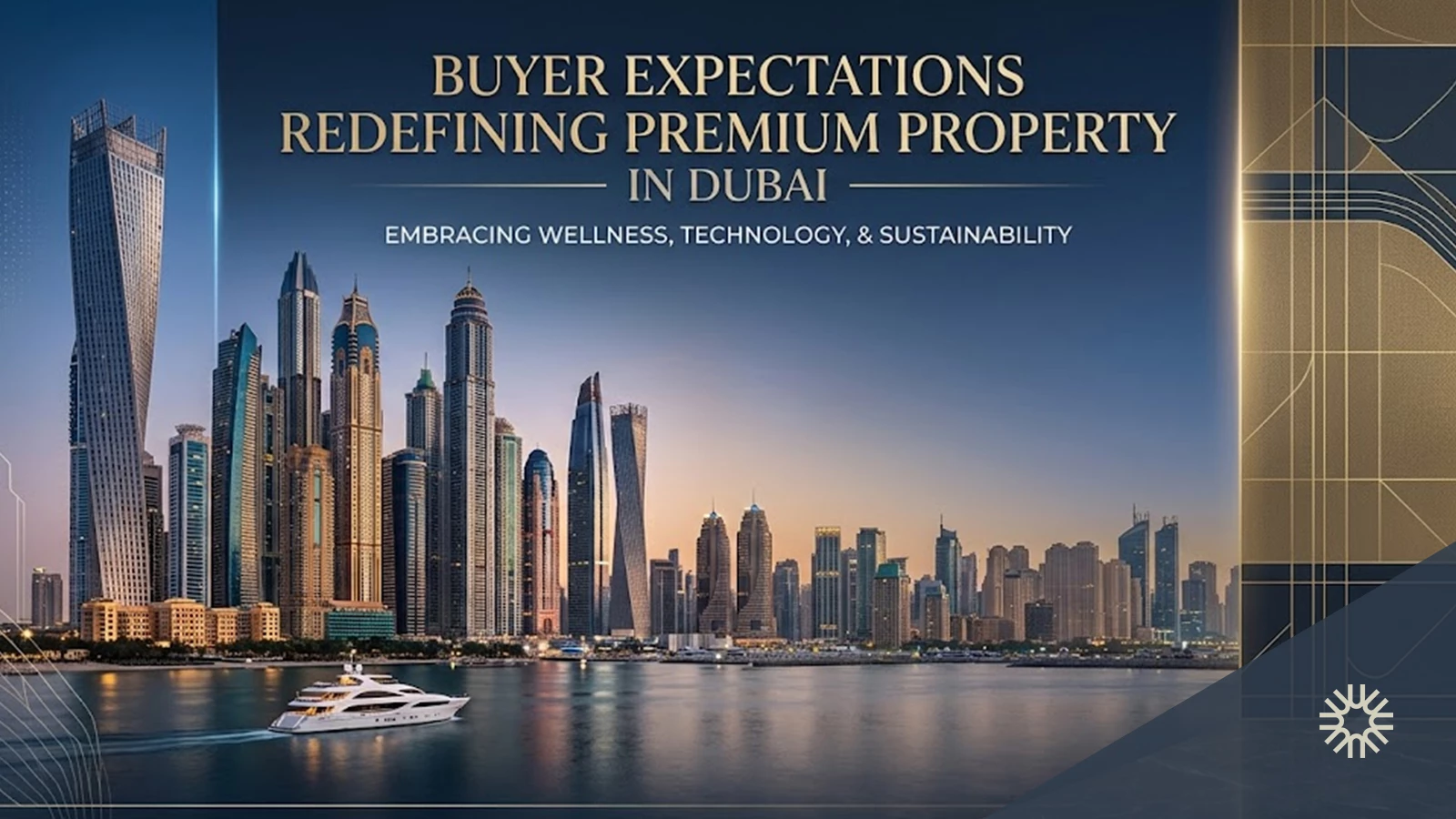
How Buyer Expectations Are Redefining Premium Property in Dubai
A year ago, a buyer at Unique Properties might have asked us three questions: which floor, which view, how fast can we close. Today the conversation runs longer. They want to know who the developer is, what the community will look like in five years, how the building performs on energy costs, and whether the "smart home" features are actually usable or just a sales line. That shift, more than any single price record, is the real story of Dubai's premium market right now.
We spend our days walking buyers through Palm Jumeirah villas, Downtown towers, and the newer waterfront districts, so we notice these changes before they show up in a headline. Here's what's actually happening, backed by the numbers, and what it means if you're buying or selling in this segment.
The market is bigger than it's ever been
Start with the scale. Dubai's real estate sector recorded AED 252 billion in transactions during the first quarter of 2026 alone, a 31% jump in value from the same period last year, according to Dubai Land Department figures. Luxury real estate carried a meaningful share of that: investment in the segment reached AED 87.71 billion, up 26% year-on-year.
That growth isn't accidental. It's being pulled along by a wave of wealthy new residents. Property Finder's market data points to a 46% year-on-year rise in high-net-worth inflows into Dubai, alongside roughly USD 63 billion in incoming wealth over the past year. Homes priced above AED 2,500 per square foot, the bracket most of our premium listings sit in, made up 20% of the market in 2025, up from 15% the year before. That's not a niche segment anymore. It's a fifth of the entire market, and it's growing faster than the mainstream.
We'd be lying if we said this surprised us. We've watched the same buyer profile walk through our doors more often over the past 18 months: someone relocating serious capital, not just a holiday home budget, and treating Dubai as a base rather than a bet.
Money has gotten more patient
Here's the part that doesn't make headlines but matters more to us day to day: buyers are taking longer to decide, and we think that's healthy. Mid-2026 data shows transaction volumes across Dubai moderating compared to the exceptional pace of the year before, not because demand cooled, but because buyers are doing more homework before they sign. More site visits. More questions about the developer's delivery record. More time comparing communities against each other instead of chasing whichever launch is loudest that month.
Mortgage behavior tells a similar story. Buyers are now committing a larger share of income to their home purchase, up from around 23% to 31% over the past year, per Mortgage Finder data. That's not recklessness. It's confidence. People aren't stretching because they're desperate to get in before prices move; they're stretching because they've decided this is where they want to plant their money and their family, and they've done the sums to back it.
At Unique Properties, we've adjusted how we work with clients accordingly. We used to spend a first meeting on square footage and view. Now we spend it on developer track record, service charge history, and what the surrounding infrastructure looks like in three years, not just today.

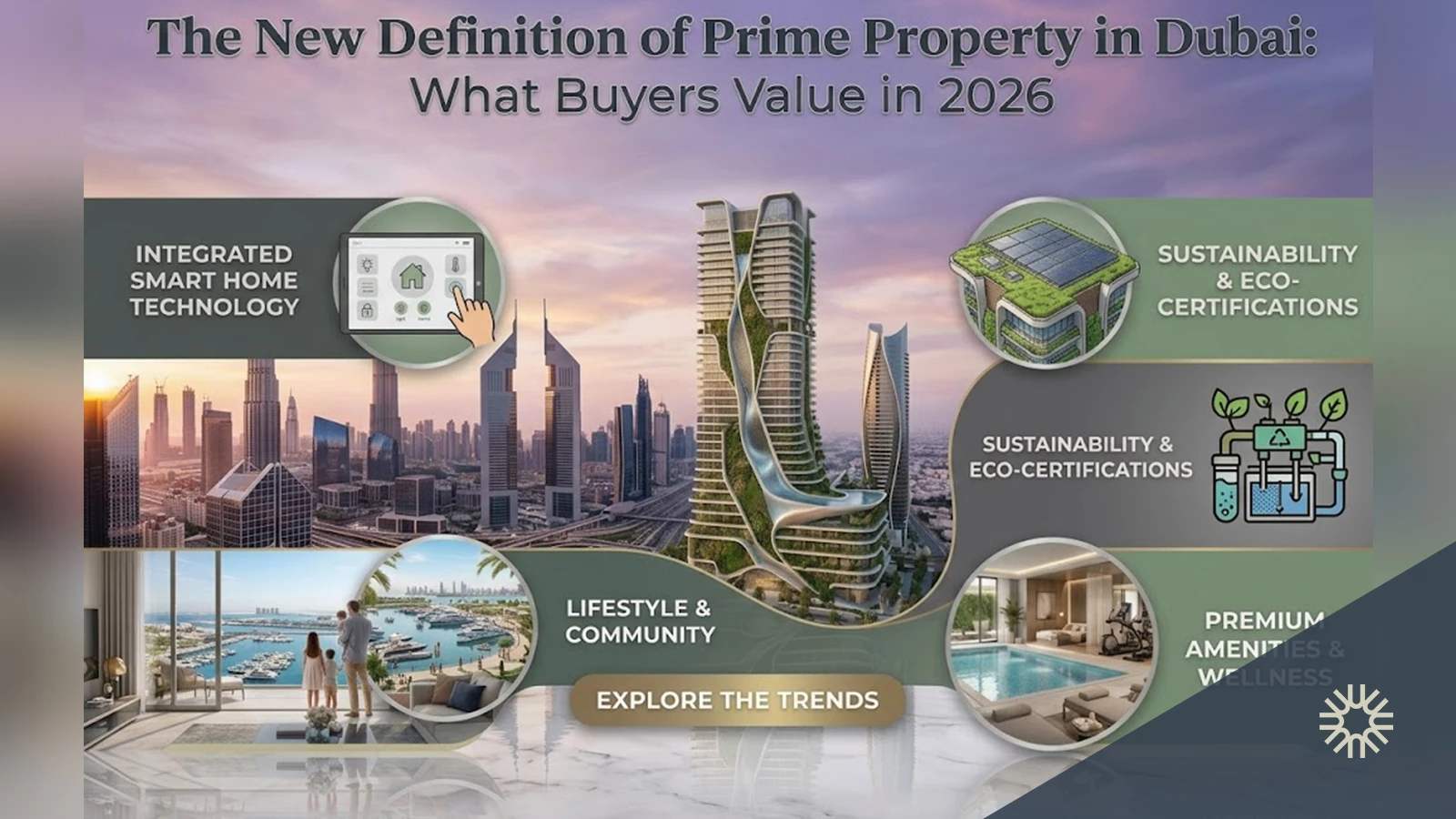
What "premium" means has changed
Apartments still dominate the transaction count, accounting for roughly 93% of residential sales in 2025. But within that figure, buyer taste has moved in a direction that would have looked odd a few years ago: studios have grown their share of apartment sales to about 25%, prized for their yield and price appreciation, while larger units get chosen for lifestyle rather than returns. Villas, by contrast, saw prices climb around 14% last year even as their share of total transactions shrank, because supply simply can't keep up with the buyers who want space, privacy, and a garden gate rather than a lobby.
We read that as buyers segmenting themselves more sharply than before. The person buying a Palm Jumeirah villa and the person buying a one-bedroom in a branded tower near Business Bay are not competing for the same thing anymore, and they're not evaluating "premium" the same way either. One wants scarcity and permanence. The other wants performance and flexibility. Both are premium buyers. Neither wants to be sold the same pitch.
Branded residences, waterfront positioning, and genuine walkability keep showing up as the deciding factors once a buyer has narrowed their shortlist. Address alone doesn't close a deal the way it used to. We've had clients walk away from a beautiful unit because the developer's last two projects were handed over late, and we don't think that instinct is going away.
Our read on where this goes
Dubai's premium buyer in 2026 is more informed, less rushed, and more willing to pay for genuine quality than for prestige alone. That's a good market to be selling into, honestly, because it rewards the parts of our job we actually care about: knowing which developers deliver on time, which communities have real long-term infrastructure behind them, and which "luxury" units are just marketing dressed up in marble.
If you're weighing a premium purchase in Dubai this year, the data backs a simple approach: take your time, ask about delivery history before you ask about the pool deck, and work with people who see the whole market, not just the listing in front of them.