Best Property Types for Airbnb in Dubai
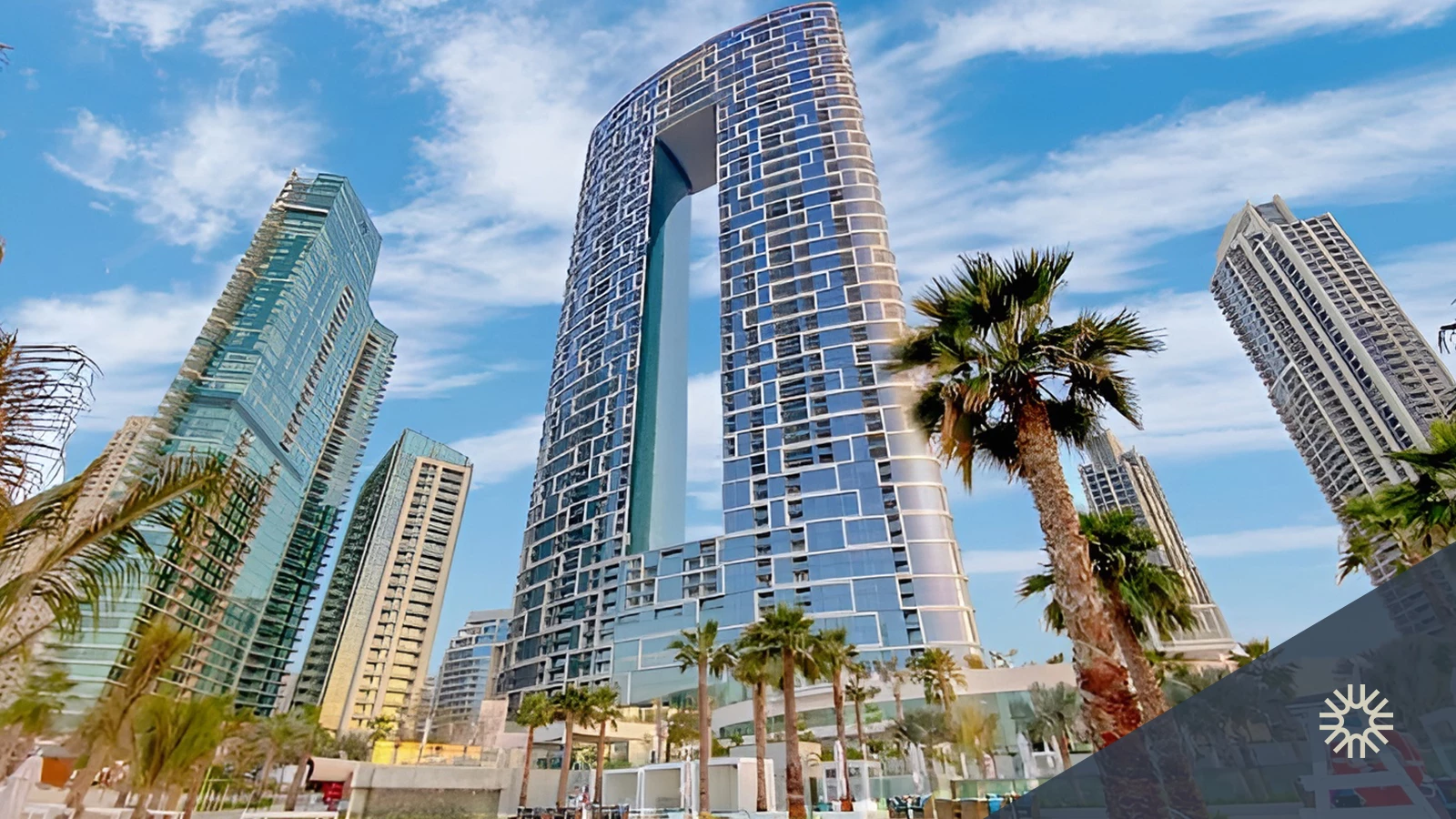
Dubai does not slow down. Visitors keep coming, the skyline keeps climbing, and the short-term rental market keeps rewarding investors who know how to pick the right property. If you have been weighing up where to put your money in 2025, this guide cuts through the noise and tells you exactly which property types are generating the strongest returns on platforms like Airbnb and why.
At Unique Properties, we work inside this market every day. We see what books out fast, what sits empty, and what quietly delivers year-round income. Here is what the numbers and the ground reality are telling us right now.
Dubai's Short-Term Rental Market at a Glance
Before we break down property types, here is the backdrop you are investing into:
- 22,700+ active Airbnb listings in Dubai (early 2026)
- AED 172,000 median annual STR revenue per listing
- AED 638 average daily rate across the city
- 73% median platform occupancy rate
- 8–15% annually average short-term rental ROI vs. 5–7% for long-term leases
- 9.88 million international visitors in H1 2025 alone — on track for 20M full year
Dubai's Department of Economy and Tourism (DET) regulates holiday homes through a straightforward licensing process, making the city one of the most accessible and investor-friendly markets for short-term rentals in the entire region. That clarity, combined with zero personal income tax and a global travel hub status, is why serious investors keep returning to Dubai real estate.
1. Studio & 1-Bedroom Apartments — The High-Velocity Performers
If there is one property type that consistently punches above its weight in the Dubai Airbnb market, it is the studio or one-bedroom apartment in a high-footfall location. Smaller units mean lower entry costs, faster turnaround between guests, and very strong demand from solo travelers, business visitors, and couples.
According to Property Finder data, 1-bedroom apartments in Dubai averaged around AED 1.28 million in 2025, an accessible entry point compared to most other global cities of this caliber. Yet the nightly rates they command are anything but modest. In areas like Downtown Dubai, expect average nightly rates of AED 700–1,200 with occupancy regularly hitting 80–90% during peak season (October to April).
Why they work: These units appeal to the widest audience of short-stay guests. Business travelers want proximity to DIFC or Business Bay. Tourists want a clean, well-positioned base near the Burj Khalifa or Dubai Mall. Studios and one-beds tick both boxes without requiring the premium outlay of a larger unit.
Best locations for 1-bedrooms: Downtown Dubai, Dubai Marina, Business Bay, Jumeirah Village Circle (JVC). JVC in particular has emerged as a mid-market sweet spot — strong occupancy, improving infrastructure, and price points that still make financial sense for new investors.
2. 2-Bedroom Apartments — The Family-Friendly Middle Ground
Two-bedroom apartments occupy an important space in the Dubai Airbnb ecosystem. They serve a broader guest mix than studio families, small groups of friends, couples travelling together while keeping overheads manageable for owners.
Property Finder data shows 2-bedroom units averaged AED 2.17 million across the city in 2025, with prices varying considerably based on location and finishes. In top-tier areas like Dubai Marina, you are paying AED 3,000–5,000 per square foot, but you are also attracting premium guests willing to pay AED 1,500–2,500 per night for waterfront views and walkable dining.
The 2-bed format also gives you flexibility. Families booking for a week or two during school holidays, digital nomads settling in for a month, corporate relocations this property type absorbs multiple guest profiles rather than being locked into one narrow market.
Top areas: Dubai Marina, JBR (Jumeirah Beach Residence), Palm Jumeirah, Dubai Hills Estate, Dubai Creek Harbour.
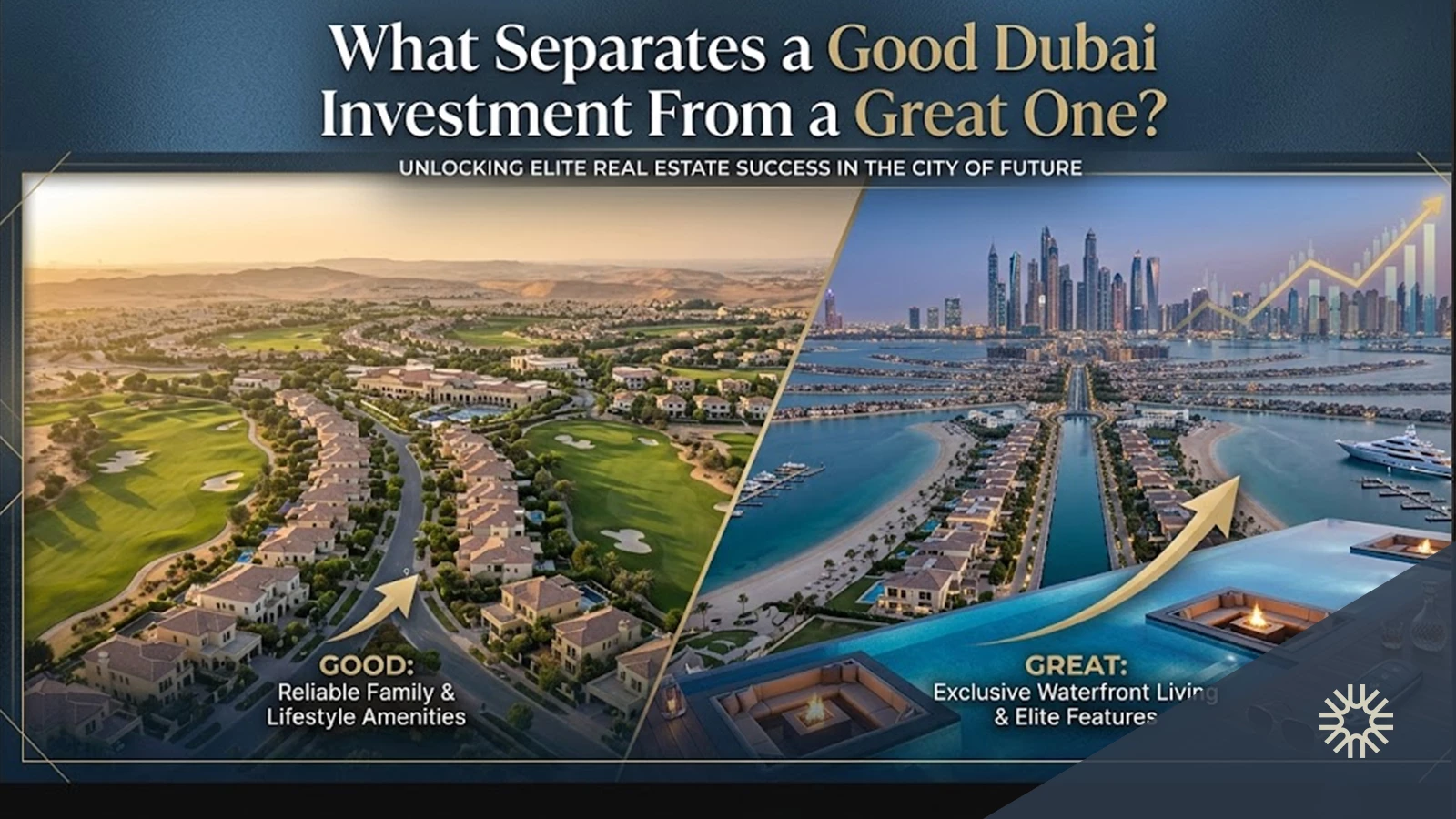
3. Luxury Villas & Palm Jumeirah Residences — The Premium Tier
At the top end of the market, villas and high-end residences on Palm Jumeirah are a category entirely their own. This is not volume investing, it is yield-per-night investing, targeting a guest who expects resort-level experience and pays for it accordingly.
DLD transaction data from July 2025 showed villas averaging AED 5.2 million, a 32% year-on-year rise which reflects how strongly high-net-worth buyers are buying into Dubai's luxury residential story. On the Airbnb side, top-performing properties in this bracket regularly exceed AED 1,800 per night, with the best 10% of listings commanding the equivalent of USD 486 or more per night.
Palm Jumeirah continues to be the benchmark for luxury short-term rentals. Private pools, beachfront access, panoramic city views the property almost markets itself. Occupancy is naturally lower than a city-center apartment, but revenue per booking is substantially higher, and high-season occupancy on the Palm regularly reaches 85–90%.
Who books these: Affluent international travelers, wedding and honeymoon groups, corporate entertainment, GCC staycation guests seeking privacy and space. This guest profile leaves strong reviews and repeat bookings.

4. Serviced Apartments & Hotel Apartments — Built for Short Stays
One of the smartest property types for Airbnb in Dubai is the hotel apartment or purpose-built serviced residence. These units are specifically designed for short-stay living; they come with facilities management built in, maintenance is handled, and they typically already hold the DET approvals needed to operate legally as a holiday home.
For investors who do not want to deal with the operational complexity of managing a standard apartment as a short-term rental, serviced apartments in buildings that explicitly permit holiday home use are worth serious consideration. Areas like Business Bay, DIFC, and JLT (Jumeirah Lakes Towers) have strong concentrations of this property type.
Business travelers are particularly drawn to serviced apartments. They want reliable Wi-Fi, a proper desk, easy self-check-in, and proximity to the business districts. With Dubai regularly drawing global conferences, investment summits, and trade expos, this demand is structural; it does not rely on tourist seasonality alone.
5. Townhouses in Master-Planned Communities — The Quiet Outperformer
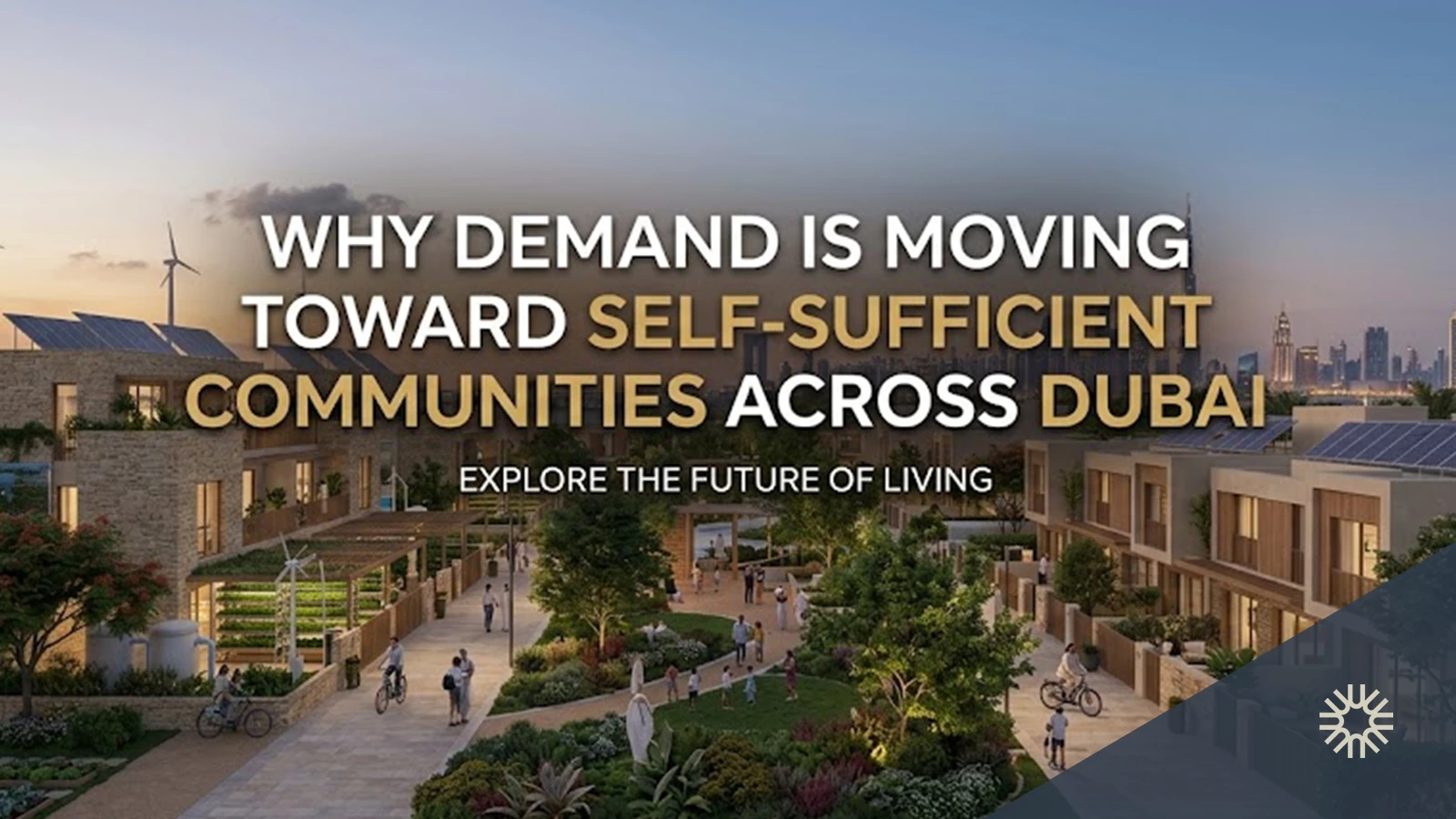
Townhouses in communities like Dubai Hills Estate, Arabian Ranches, and Damac Hills are beginning to attract serious attention from Airbnb investors and with good reason. These properties offer multi-bedroom layouts, private outdoor space, and the kind of community infrastructure (schools, malls, parks) that longer-stay guests genuinely value.
Short-term rental trends in 2025 clearly showed growing demand from families seeking a home-like experience rather than a hotel feel. Townhouses deliver exactly that. A three-bedroom townhouse in Dubai Hills, for example, can earn a solid AED 120,000–180,000 annually if managed well, particularly when targeting school-holiday periods and extended corporate stays of 2–4 weeks.
The mid-market price point of townhouses typically AED 1.8 -- 3.5 million depending on area and size also offers a more balanced risk profile for investors who want meaningful yield without the top-tier capital outlay of a Palm villa.
Understanding the Dubai STR Seasonality
No Dubai Airbnb strategy is complete without acknowledging seasonality. The peak window runs October through April cooler weather, major events, and school holidays combine to push occupancy above 85% in prime areas. December is consistently the top revenue month across all property types.
August tends to be the softest month, as temperatures push outdoor activity to a minimum. Smart investors price dynamically across the year, dropping nightly rates in summer to maintain occupancy and spiking during Expo events, Dubai Shopping Festival, and international conferences.
Since April 2025, Airbnb has displayed total pricing (including all fees) by default worldwide. This means your listed nightly rate now needs to account for transparency guests see the full cost upfront, which rewards properties with clean, honest pricing structures.
A Quick Word on Compliance
Operating a holiday home in Dubai without a valid DET permit is a serious risk. Fines for non-compliance can reach AED 50,000 for repeat offences, and listings can be removed from platforms without notice. The licensing process itself is structured and manageable. Most investors can complete it within days but getting it right from the start is non-negotiable.
Key requirement: your building must permit short-term letting. Many freehold towers require an Owners' Association NOC confirming this before DET grants final approval. At Unique Properties, we guide every client through this process so there are no surprises after purchase.
The Bottom Line
Dubai's Airbnb market in 2025 and beyond is not a single story; it is five different stories running in parallel, each suited to a different investor profile, budget, and risk appetite. Whether you are drawn to the reliable volume of a Marina one-bed, the premium nights of a Palm villa, or the family-market consistency of a Dubai Hills townhouse, the fundamentals are working in your favor.
Over 17 million international visitors came to Dubai in 2024. The city is on track for 20 million in 2026. The short-term rental market exists because those visitors need somewhere to stay and the right property, in the right location, managed correctly, can be one of the most resilient income assets you own.
Ready to find yours?
Table Of Content
- Dubai's Short-Term Rental Market at a Glance
- 1. Studio & 1-Bedroom Apartments — The High-Velocity Performers
- 2. 2-Bedroom Apartments — The Family-Friendly Middle Ground
- 3. Luxury Villas & Palm Jumeirah Residences — The Premium Tier
- 4. Serviced Apartments & Hotel Apartments — Built for Short Stays
- 5. Townhouses in Master-Planned Communities — The Quiet Outperformer
- Understanding the Dubai STR Seasonality
- A Quick Word on Compliance
- The Bottom Line
- Dubai's Short-Term Rental Market at a Glance
- 1. Studio & 1-Bedroom Apartments — The High-Velocity Performers
- 2. 2-Bedroom Apartments — The Family-Friendly Middle Ground
- 3. Luxury Villas & Palm Jumeirah Residences — The Premium Tier
- 4. Serviced Apartments & Hotel Apartments — Built for Short Stays
- 5. Townhouses in Master-Planned Communities — The Quiet Outperformer
- Understanding the Dubai STR Seasonality
- A Quick Word on Compliance
- The Bottom Line