Dubai’s Upcoming Property Supply Pipeline: Oversupply Risk or Strategic Investor Opportunity
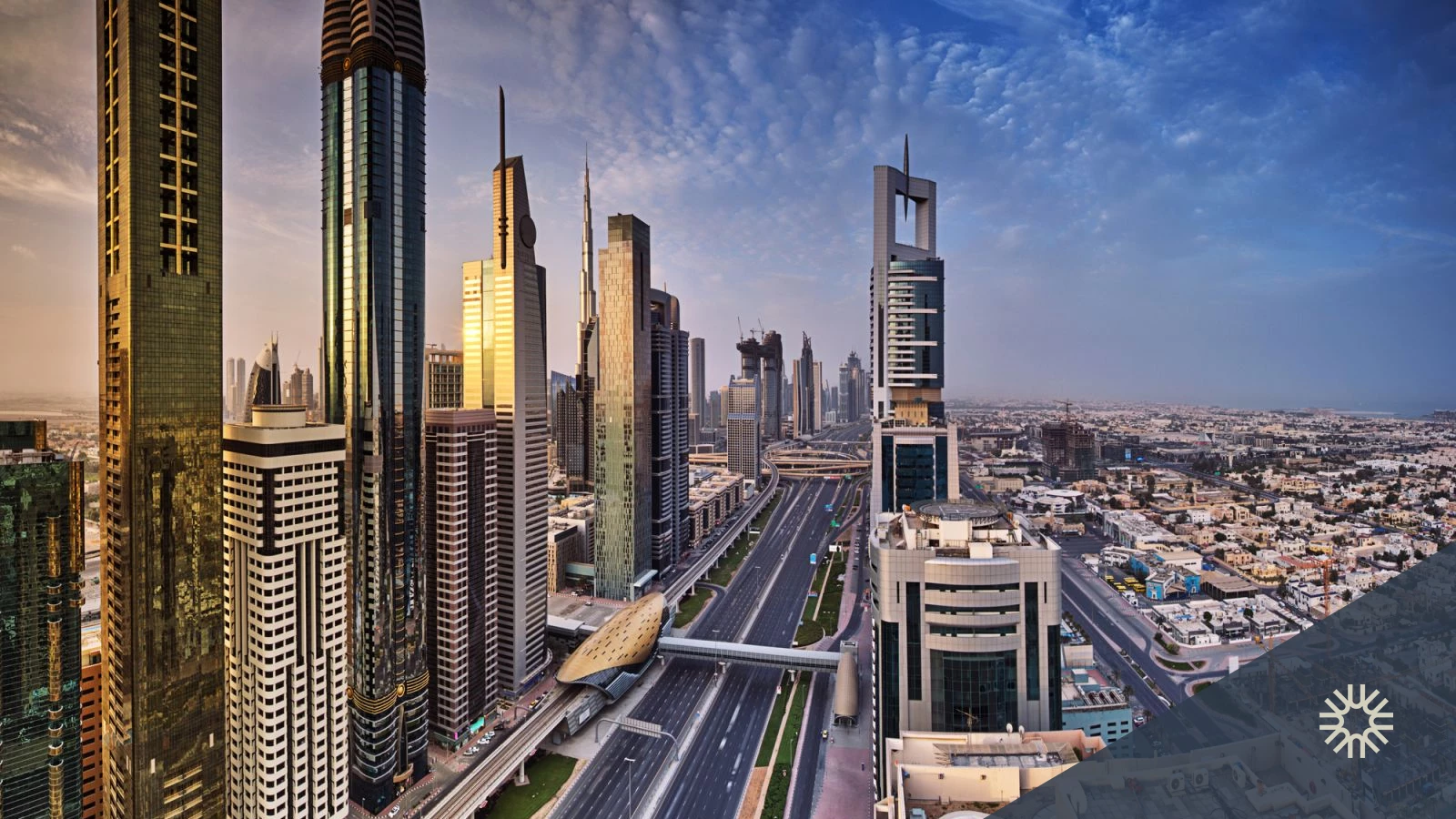
Dubai’s real estate market is entering one of its most important phases in recent history. Over the next few years, hundreds of thousands of residential units are expected to enter the market across fast-growing communities like Dubai South, Jumeirah Village Circle, Business Bay, and Dubai Creek Harbour.
Naturally, this has triggered a familiar debate among investors: is Dubai approaching another oversupply cycle, or is this simply the next stage of strategic expansion?
At Unique Properties, we believe the answer lies somewhere in between. The size of Dubai’s upcoming property supply pipeline is significant, but so is the city’s long-term demand outlook. More importantly, not all supply carries the same level of risk.
For investors who understand where the real opportunities exist, the coming years may offer one of the strongest entry windows Dubai has seen in a decade.
Dubai’s Property Market Is Expanding at Scale
Dubai continues to record strong transaction activity despite rising inventory announcements.
Developers are aggressively launching projects across multiple segments:
- Luxury waterfront residences
- Branded developments
- Family villa communities
- Mid-market apartment clusters
- Integrated master-planned destinations
Industry projections suggest more than 300,000 residential units may be delivered between 2025 and 2028. On paper, those numbers appear aggressive. But unlike previous cycles, Dubai today is supported by stronger structural demand drivers.
These include:
- Population growth
- Golden Visa residency incentives
- International business relocation
- Tourism expansion
- Remote-working migration
- Long-term infrastructure investment
Dubai is not simply building for speculation anymore. It is building for a larger long-term resident base and a growing global investor audience.
Why Oversupply Concerns Still Exist
Despite strong fundamentals, concerns about oversupply are not entirely exaggerated.
Certain parts of Dubai are witnessing a sharp increase in apartment-heavy launches, particularly in communities where developers are targeting yield-focused investors with flexible payment plans.
Historically, oversupply pressures emerge when:
- Too many similar units enter simultaneously
- Investor flipping activity accelerates
- Rental absorption slows
- Developers compete primarily on discounts rather than product quality
This is especially relevant in highly competitive apartment districts where differentiation is limited.
Not every project entering the market will outperform simply because it is located in Dubai. In the next cycle, quality, location, infrastructure, and end-user demand will matter more than ever.
Where the Risk Is Real vs. Overstated
One of the biggest mistakes investors make is assuming all of Dubai’s upcoming supply carries the same level of risk. In reality, the pressure varies dramatically depending on the community, buyer profile, and type of inventory entering the market.
At Unique Properties, we view Dubai as a collection of independent micro-markets rather than one single property ecosystem. Some areas remain fundamentally undersupplied despite new launches, while others could face temporary pressure from concentrated apartment completions.
Here’s where the real exposure and opportunity currently sits:
This divide is exactly why broad market predictions often fail in Dubai.
Communities like Downtown Dubai and Dubai Hills Estate continue benefiting from limited land availability, premium positioning, and mature infrastructure. These locations are less vulnerable to oversupply because inventory enters the market gradually and demand remains relatively deep.
Meanwhile, high-density apartment zones such as Jumeirah Village Circle and parts of Arjan may experience temporary pressure if delivery timelines accelerate faster than tenant demand.
Why Strategic Investors Still See Opportunity
At Unique Properties, we believe Dubai’s upcoming supply wave is not purely a risk story. It is also a strategic buying opportunity for investors who understand market positioning.
Periods of elevated supply often create:
- Better entry pricing
- Increased developer incentives
- Flexible payment plans
- Greater inventory selection
- Higher negotiation leverage
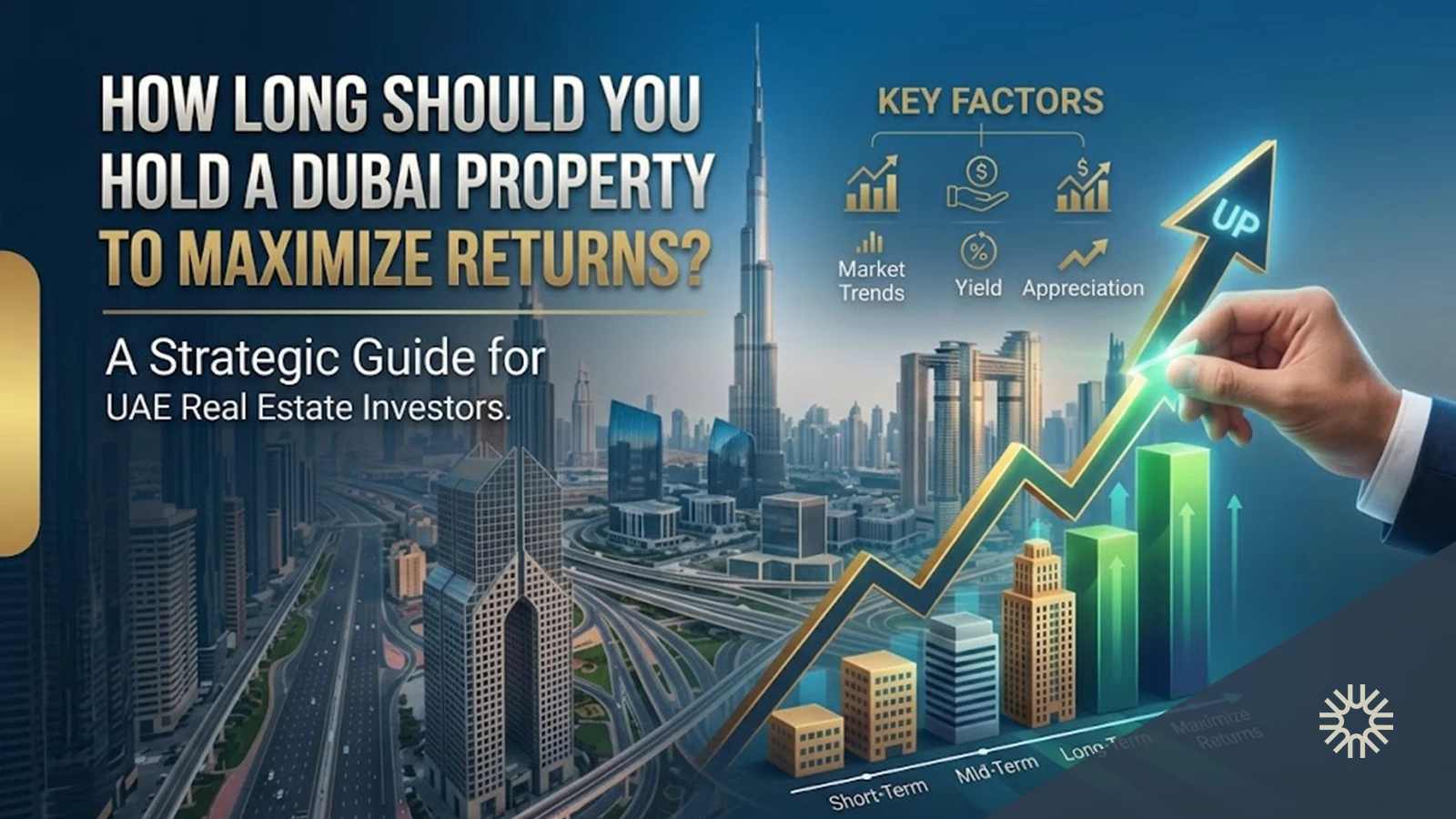
The investors most likely to benefit are those focusing on long-term fundamentals rather than short-term speculation.
Properties connected to infrastructure growth, lifestyle demand, and future economic expansion are still likely to outperform the broader market over time.
This includes:
- Waterfront communities
- Branded residences
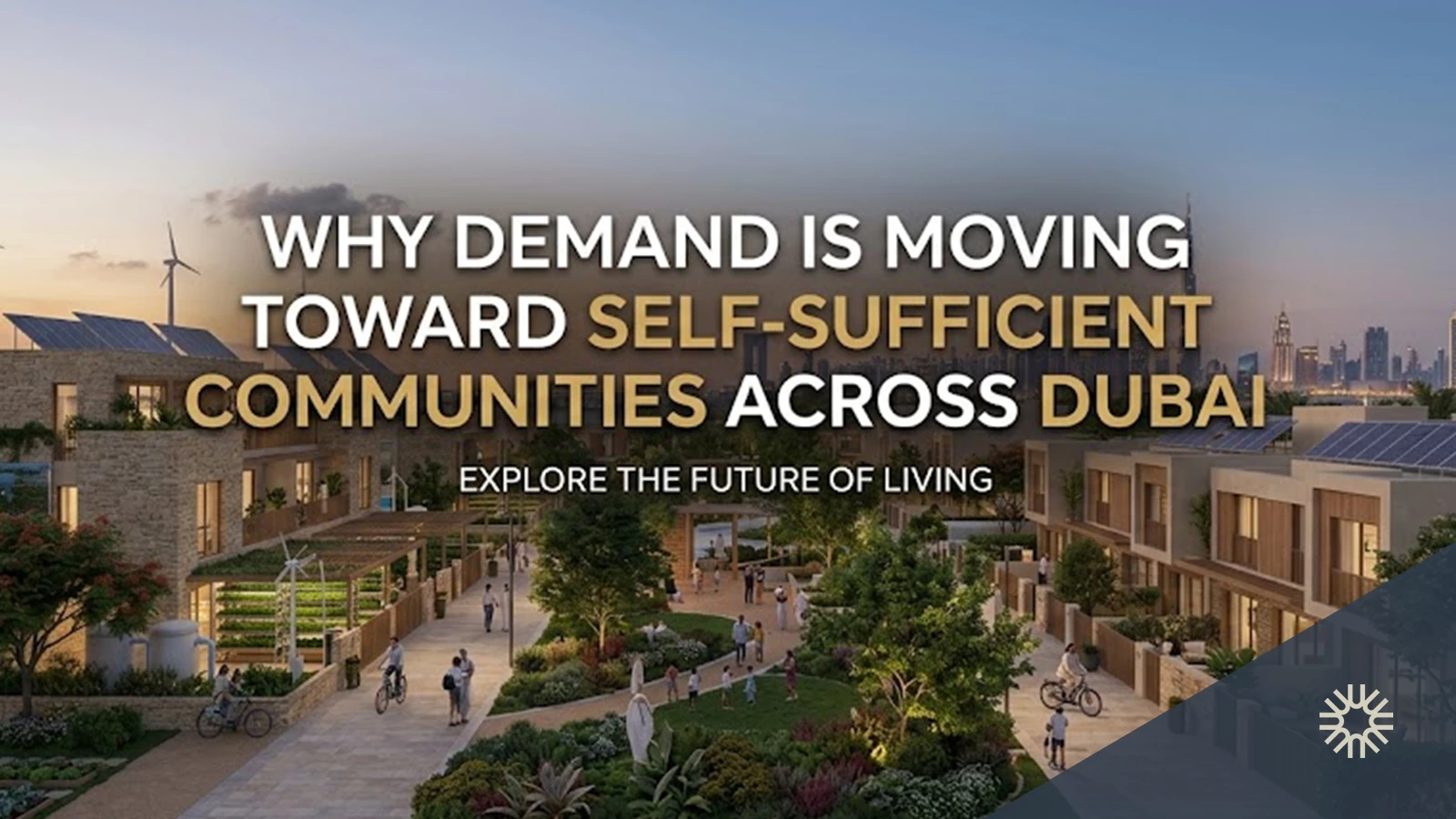
- Family villa developments
- Transit-connected master communities
Areas tied to future commercial growth corridors
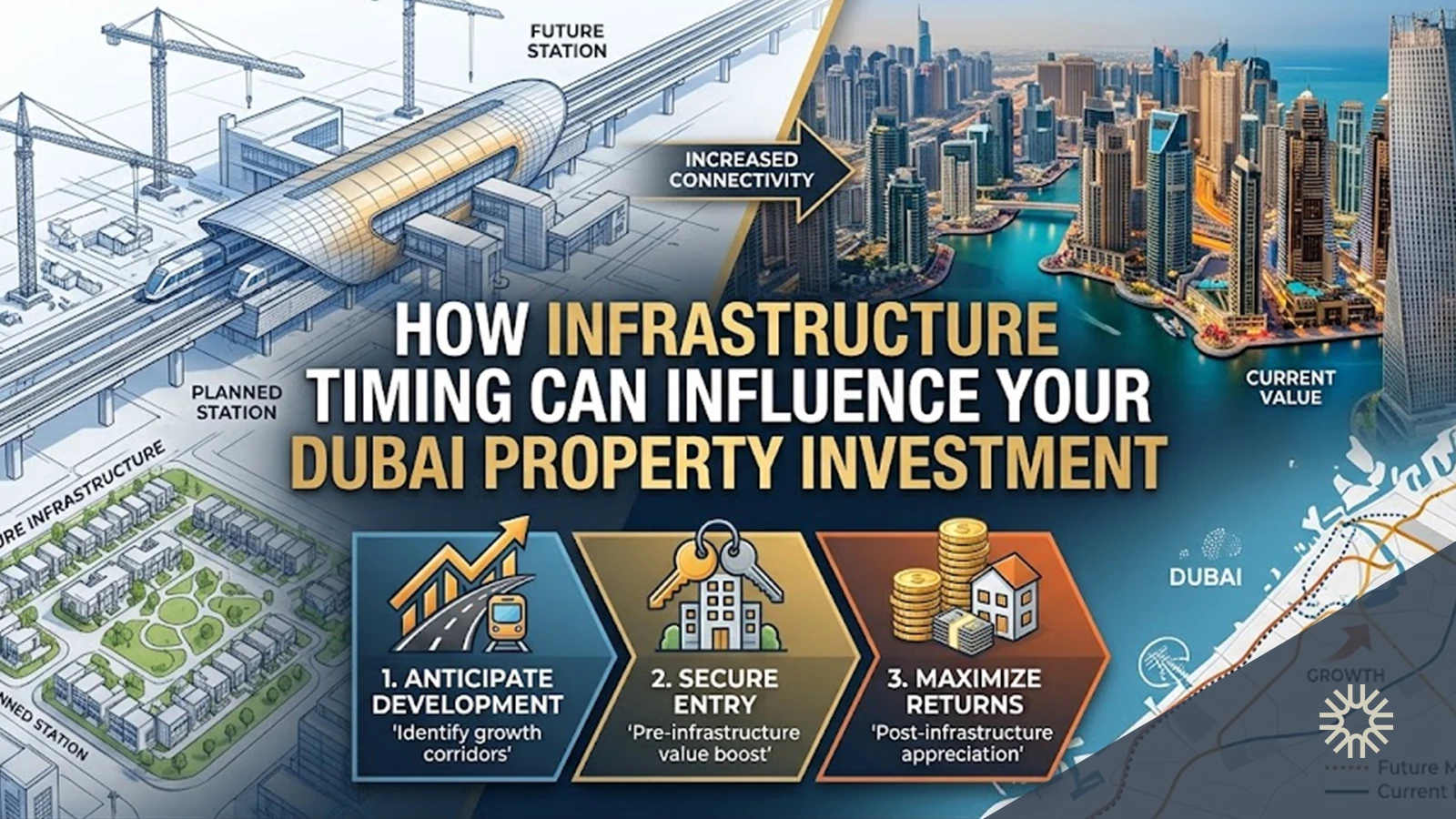
Dubai’s ongoing infrastructure expansion around Dubai South and the future growth of Al Maktoum International Airport continue supporting long-term demand expectations for surrounding districts.

The Market Is Becoming More Mature
Another major difference between today’s market and previous cycles is investor behavior.
Dubai is gradually shifting from a speculation-driven environment toward a more mature investment landscape where buyers increasingly evaluate:
- Rental sustainability
- Community quality
- Developer reputation
- Service charges
- Long-term livability
- End-user demand
This evolution is healthy for the market.
Institutional investors, family offices, and international wealth migration continue bringing more stable capital into Dubai real estate. As a result, the market is becoming less dependent on short-term flipping activity and more aligned with long-term asset preservation.
That maturity reduces the probability of a broad market correction, even if certain submarkets experience temporary softness.
Which Property Segments Could Remain Resilient?
Not all property categories will react the same way to incoming supply.
Luxury Waterfront Properties
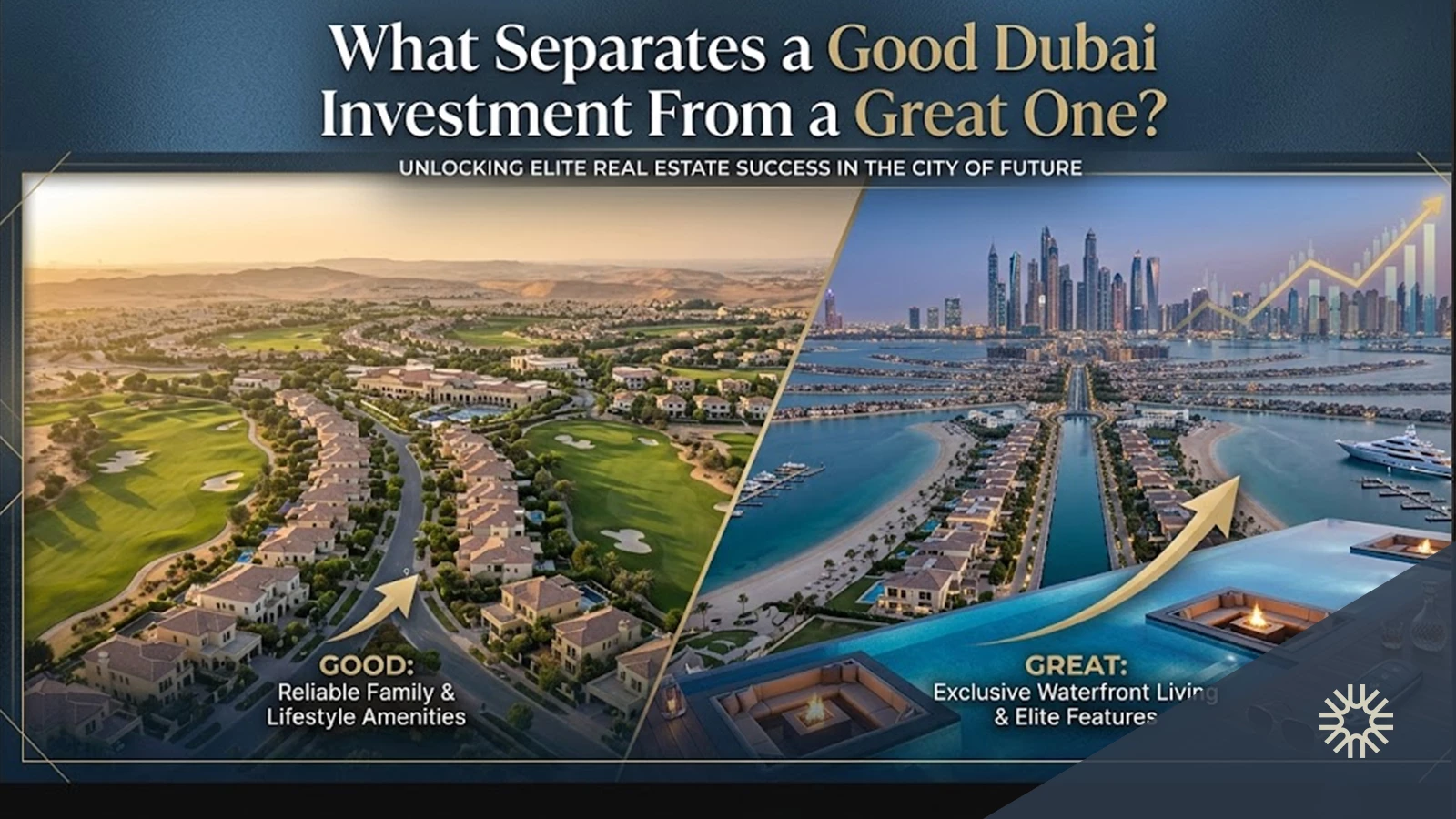
Prime waterfront locations such as Palm Jumeirah continue attracting international wealth due to scarcity, global branding, and lifestyle appeal.
Family Villa Communities
Villa communities remain supported by sustained end-user demand, particularly from families relocating to Dubai for long-term residency.
Branded Residences
Branded projects continue commanding premium positioning because they combine hospitality, trust, and international recognition.
Infrastructure-Driven Communities
Areas connected to major transport and commercial expansion projects are likely to remain attractive over the long term.
Final Thoughts: Oversupply or Strategic Opportunity?
Dubai’s upcoming property supply pipeline should not be viewed through a single lens.
Yes, some apartment-heavy submarkets could face temporary pressure as inventory rises. Certain investors chasing short-term appreciation may encounter slower resale momentum than expected.
But the broader picture remains far more strategic.
Dubai continues benefiting from global capital inflows, population growth, infrastructure investment, and increasing international demand for residency-linked real estate.
For disciplined investors, this environment may create exceptional long-term opportunities.
The key is not avoiding supply altogether. The key is choosing the right supply in the right location with the right long-term fundamentals.
At Unique Properties, we help investors identify high-conviction opportunities across Dubai’s evolving real estate landscape.
Explore premium opportunities through our Find a Property page or Book a Consultation with our expert advisors today.
Table Of Content
- Dubai’s Property Market Is Expanding at Scale
- Why Oversupply Concerns Still Exist
- Where the Risk Is Real vs. Overstated
- Why Strategic Investors Still See Opportunity
- The Market Is Becoming More Mature
- Which Property Segments Could Remain Resilient?
- Final Thoughts: Oversupply or Strategic Opportunity?
- Dubai’s Property Market Is Expanding at Scale
- Why Oversupply Concerns Still Exist
- Where the Risk Is Real vs. Overstated
- Why Strategic Investors Still See Opportunity
- The Market Is Becoming More Mature
- Which Property Segments Could Remain Resilient?
- Final Thoughts: Oversupply or Strategic Opportunity?