Dubai’s Affordable Housing Gap: The Hidden Investment Opportunity of 2026
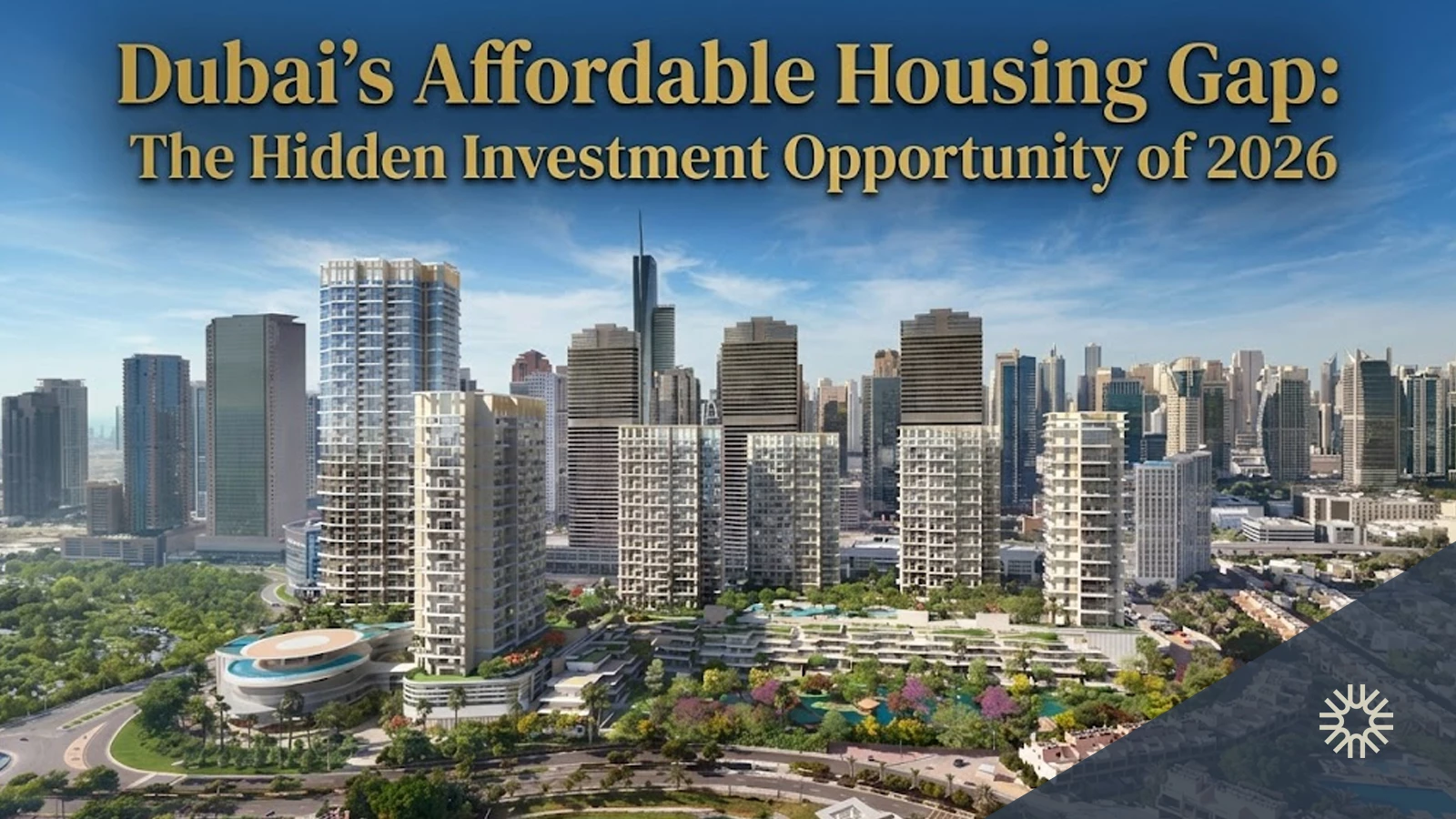
Dubai's property market has spent the last few years making headlines for record-breaking luxury transactions, ultra-prime developments, and increasing international investor demand. While premium communities continue to attract attention, a quieter trend is emerging beneath the surface Dubai's growing affordable housing gap.
For investors willing to look beyond the luxury segment, this gap may represent one of the most compelling opportunities in 2026. As Dubai's population continues to grow and new residents enter the city every month, demand for quality housing at accessible price points is rising faster than supply in several key communities.
At Unique Properties, we believe some of the strongest long-term investment opportunities are often found where demand significantly outweighs available inventory. The affordable housing segment is becoming one of those opportunities.
Understanding Dubai's Affordable Housing Challenge
Dubai's population crossed 3.9 million residents in 2025 and continues to expand as professionals, entrepreneurs, remote workers, and families relocate to the emirate.
According to data published by the Dubai Land Department and market reports referenced by Property Finder, residential transaction activity has remained strong across both primary and secondary markets. However, a significant portion of newly launched projects continues to target the mid-to-premium and luxury segments.
This creates an imbalance.
While luxury inventory has expanded substantially in communities such as Palm Jumeirah, Downtown Dubai, and Dubai Marina, many working professionals and middle-income families are searching for homes priced between AED 600,000 and AED 1.5 million.
The result is a widening affordable housing gap that investors can capitalize on.
Why Demand Is Growing Faster Than Supply
Several factors are contributing to this trend.
1. Population Growth
Dubai continues to attract global talent through long-term residency programs, business-friendly regulations, and a growing employment market.
Even a population increase of 100,000 to 150,000 residents annually creates substantial pressure on the housing market.
Every new resident requires accommodation, whether through rental properties or homeownership.
2. Rising Rental Costs
Rental rates across many established communities have increased significantly over the last few years.
As rents rise, many residents begin exploring homeownership as a more cost-effective long-term option.
This shift increases demand for affordable apartments, townhouses, and entry-level family homes.
3. Limited Affordable Launches
Although developers continue launching new projects, many target investors seeking luxury or high-end lifestyle experiences.
Projects offering genuine affordability remain comparatively limited, particularly in communities with strong infrastructure, schools, and transportation links.
This supply-demand imbalance creates opportunities for investors who purchase before affordability becomes even scarcer.
The Communities Benefiting Most
Several emerging communities are attracting attention from investors focused on affordability and long-term appreciation.
Dubai South
Dubai South continues to benefit from proximity to Al Maktoum International Airport and Expo City Dubai.
Properties here remain significantly more affordable than many established communities while offering strong future growth potential.
Dubai land
Dubai land remains one of Dubai's most active residential development corridors.
Investors can still find apartments and townhouses at relatively accessible price points compared to central districts.
Jumeirah Village Circle (JVC)
JVC has evolved into one of Dubai's strongest-performing mid-market communities.
Its combination of affordability, rental demand, and community infrastructure continues to attract both end-users and investors.
Town Square Dubai
Town Square appeals strongly to first-time buyers and young families seeking affordable modern housing.
The community's competitive pricing and family-friendly environment support consistent demand.

The Investment Case in 2026
Many investors focus exclusively on luxury properties because premium transactions generate headlines.
However, affordable housing often delivers advantages that luxury assets cannot consistently match.
Higher Rental Demand
A broader tenant pool typically translates into stronger occupancy rates.
Affordable and mid-market properties appeal to working professionals, young families, and long-term residents groups that represent a significant portion of Dubai's population.
Stable Cash Flow
Properties serving essential housing needs tend to experience more consistent rental demand during varying market cycles.
This stability can help investors maintain predictable income streams.
Potential Capital Appreciation
As affordable inventory becomes increasingly limited, existing properties in desirable communities may benefit from rising values.
When demand exceeds supply, upward price pressure often follows.
Lower Entry Costs
Many affordable investment opportunities require substantially lower capital compared to luxury villas or waterfront residences.
This allows investors to diversify across multiple assets rather than concentrating capital in a single property.
What Investors Should Look For
Not every affordable property represents a strong investment opportunity.
At Unique Properties, we encourage investors to focus on several key indicators.
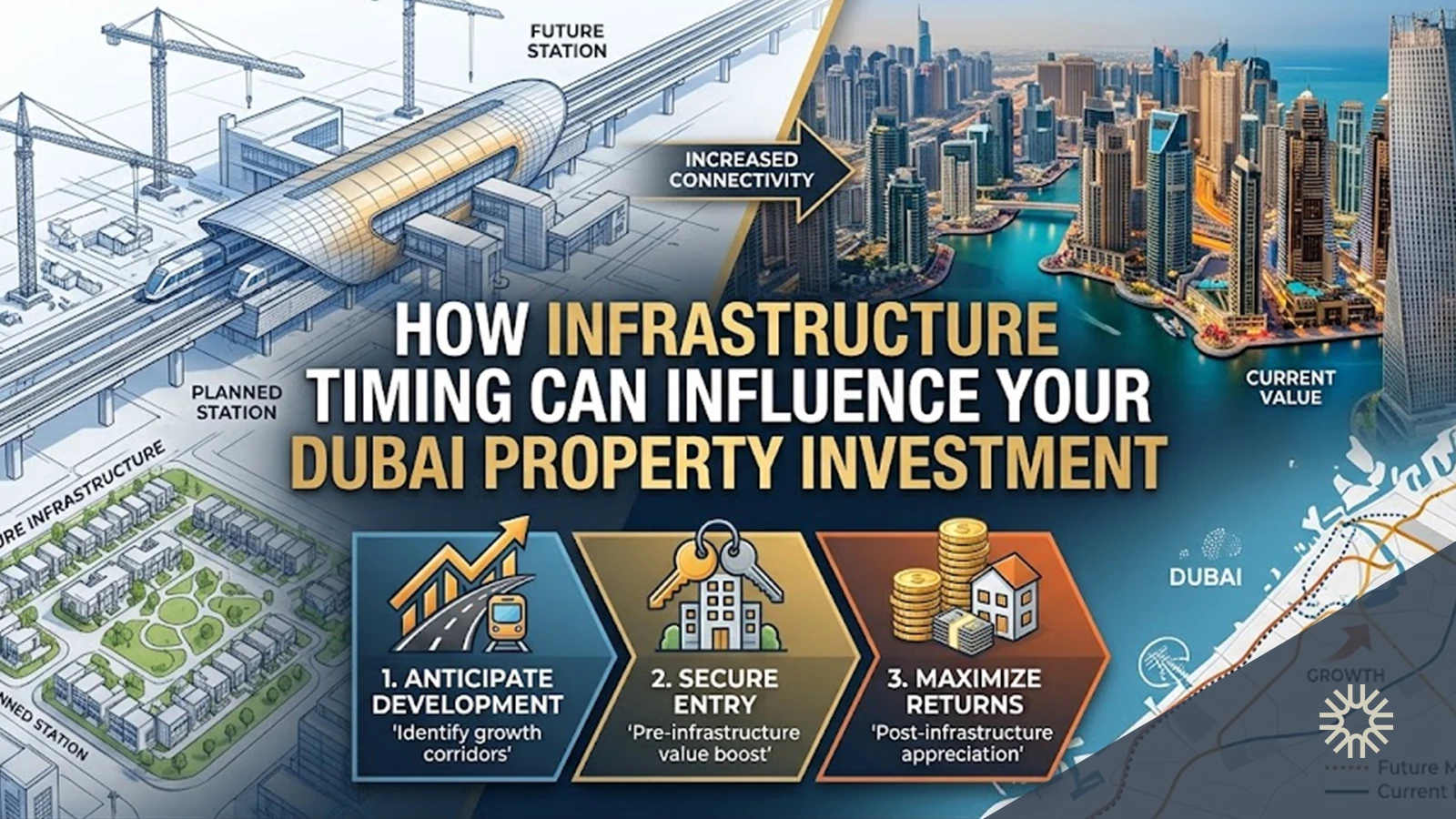
Infrastructure Development
Look for communities benefiting from road expansions, new schools, healthcare facilities, retail destinations, and public transportation improvements.
Infrastructure often drives long-term value growth.
Developer Reputation
Established developers with strong delivery records generally provide greater confidence regarding construction quality and project completion.
Rental Yield Potential
Many affordable communities generate attractive rental returns due to strong tenant demand.
Investors should evaluate projected yields alongside capital appreciation potential.
Future Population Growth
Areas positioned near employment hubs, business districts, and transportation corridors are often best placed to capture future demand.
Why This Opportunity Remains Undervalued
Much of the market conversation continues to focus on luxury real estate.
Ultra-prime villas selling for AED 50 million or more naturally attract media attention.
However, affordable housing addresses a larger segment of the population.
- The demand base is broader.
- The occupancy rates are often stronger.
- The buyer pool remains active.
For investors seeking sustainable long-term growth rather than short-term headlines, affordable housing may offer a more balanced risk-reward profile.
As Dubai continues its journey toward becoming one of the world's leading cities for business, innovation, and lifestyle, the need for accessible housing will only increase.
The investors who recognize this trend early could be positioned to benefit significantly over the coming years.
Final Thoughts
Dubai's affordable housing gap is no longer just a market challenge it is becoming a strategic investment opportunity.
As population growth accelerates, rental demand remains strong, and affordable inventory struggles to keep pace, investors have an opportunity to enter communities with strong fundamentals and long-term growth potential.
At Unique Properties, we help investors identify opportunities that align with both current market conditions and future demand trends. Whether you're looking for your first investment property or expanding an existing portfolio, understanding the affordable housing segment could be one of the smartest moves you make in 2026.
Explore Opportunities with Unique Properties
Ready to capitalize on Dubai's next major real estate opportunity?
Find a Property: Use our Find a Property page to discover homes that match your investment goals.
Book a Consultation: Speak with our expert advisors today and receive personalized guidance on identifying high-potential opportunities within Dubai's affordable housing market.