Beyond ROI: Why Lifestyle Infrastructure Is Becoming Dubai's New Property Driver
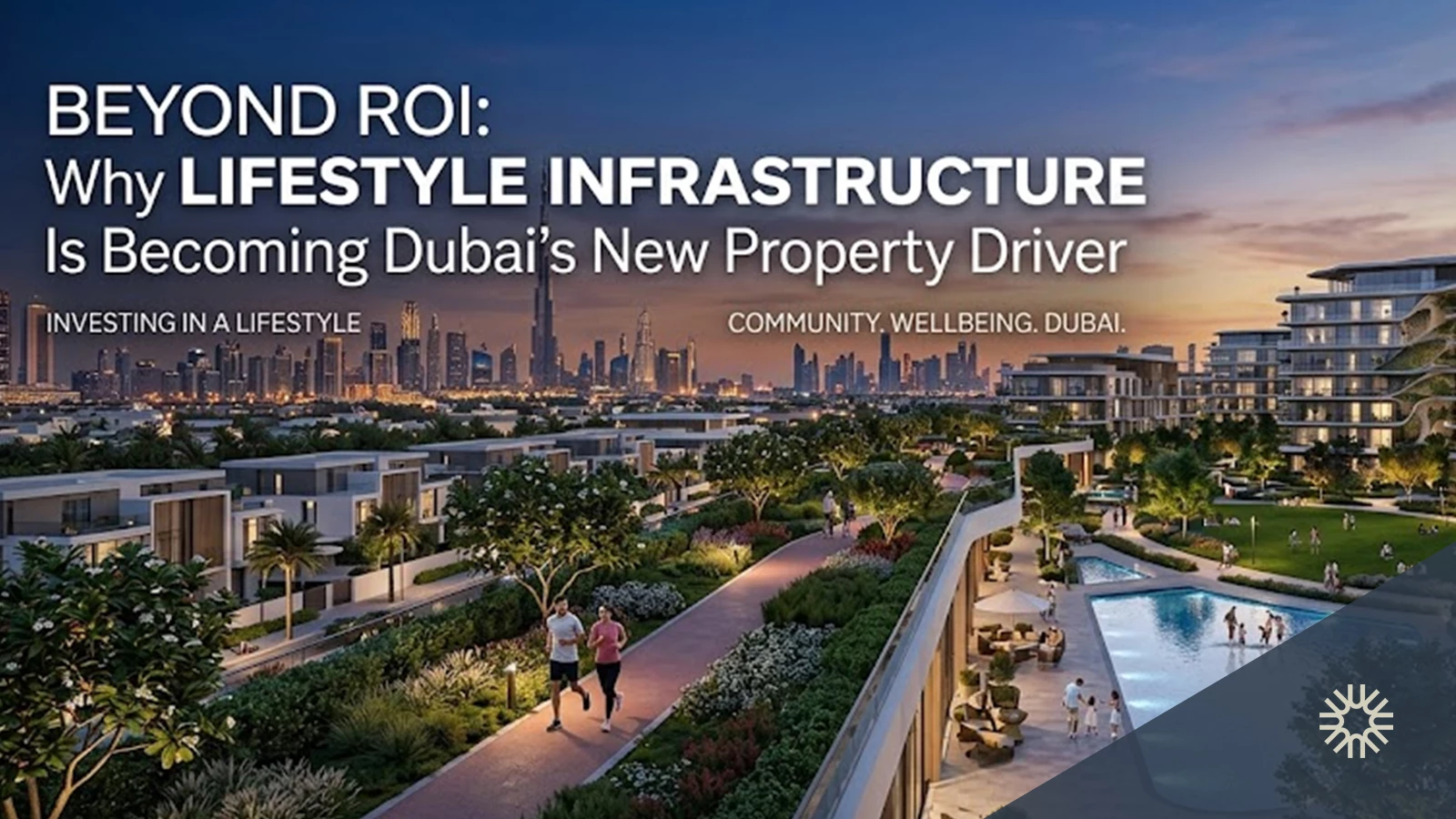
There was a time when every conversation about Dubai real estate started and ended with one number: the yield. Investors would walk in, ask what a community was returning annually, and make their decision based almost entirely on that figure. That era is not over but it is evolving, and the shift tells us something important about where this market is heading.
Today, the most consistent question we hear from buyers whether they are relocating families, global entrepreneurs, or long-term investors is not "What's the ROI?" It is "What does life actually look like here?" That question is reshaping how properties are valued, which communities outperform, and where smart money is moving in Dubai.
The Numbers Behind the Shift
To understand why lifestyle infrastructure has become a primary driver of Dubai property demand, you have to look at the market's own data.
According to the Dubai Land Department, Dubai's real estate sector closed 2025 with total transaction values exceeding AED 919 billion across 275,442 transactions, a 20.8% increase on 2024. That is not a speculative surge. That is a market with deep, sustained demand underpinned by real buyers making long-term decisions.
Q1 2026 continued the trajectory. The Dubai Land Department recorded AED 252 billion in transactions during the first quarter alone, a 31% year-on-year jump with the investor base growing 8% to reach 48,448 active investors. Significantly, 29,312 of those were new entrants to the market, up 14%. These are not flippers chasing a quick gain. These are people choosing Dubai as a place to plant roots.
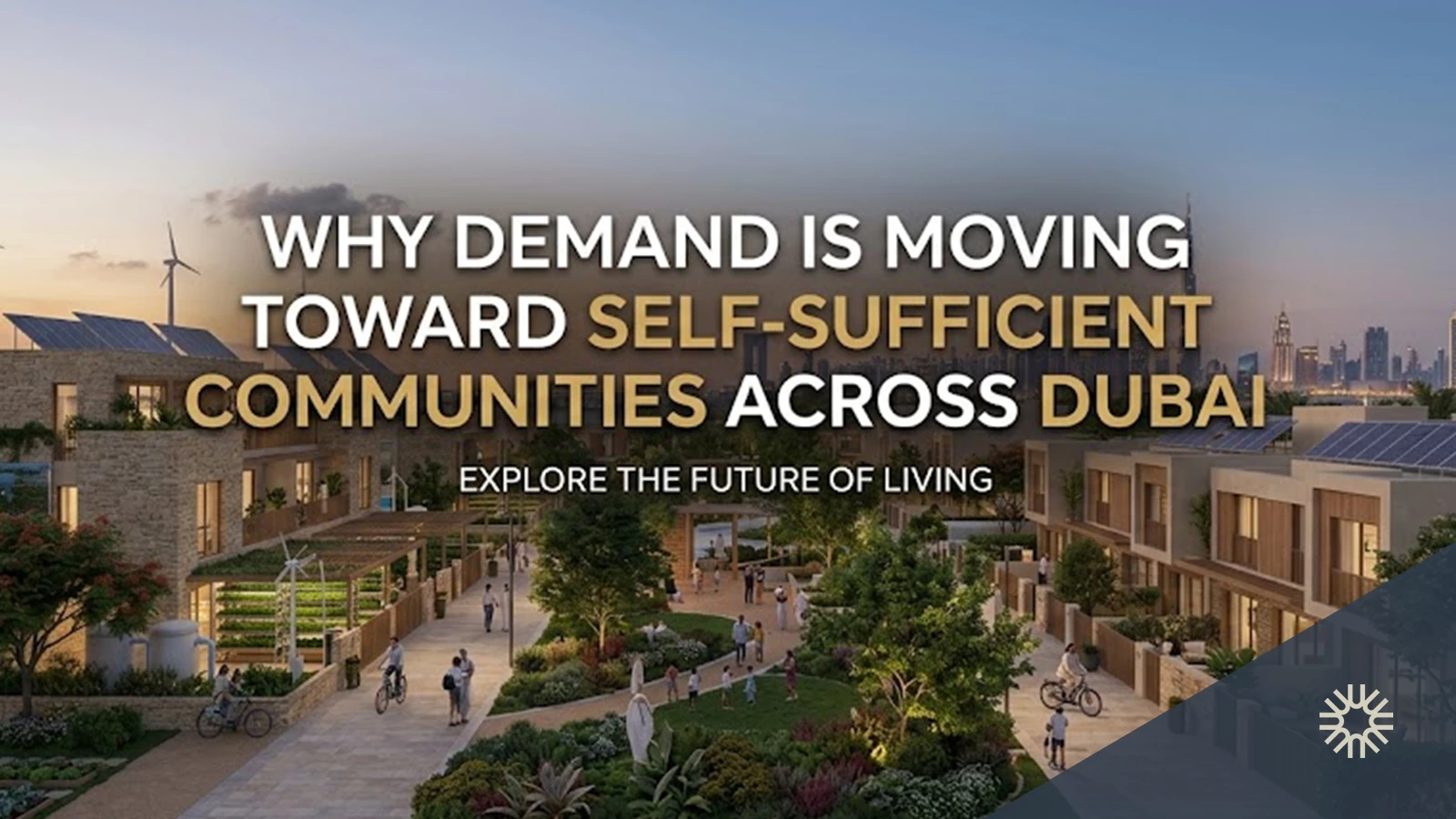
What is driving them? Increasingly, it is not yield tables. It has schools, parks, metro lines, integrated retail, and the ability to live well without a 45-minute commute to reach a supermarket.
What "Lifestyle Infrastructure" Actually Means
At Unique Properties, we use the term lifestyle infrastructure to describe the ecosystem around a home, not just the unit itself. It includes:
- Connectivity: Metro access, road infrastructure, proximity to key business hubs
- Community completeness: Schools, hospitals, supermarkets, and dining within walking or short driving distance
- Green and open space: Parks, waterfronts, cycling tracks, and recreational areas
- Walkability: The ability to live meaningfully without a car for daily needs
- Community identity: A distinct sense of place that residents can feel not just live in
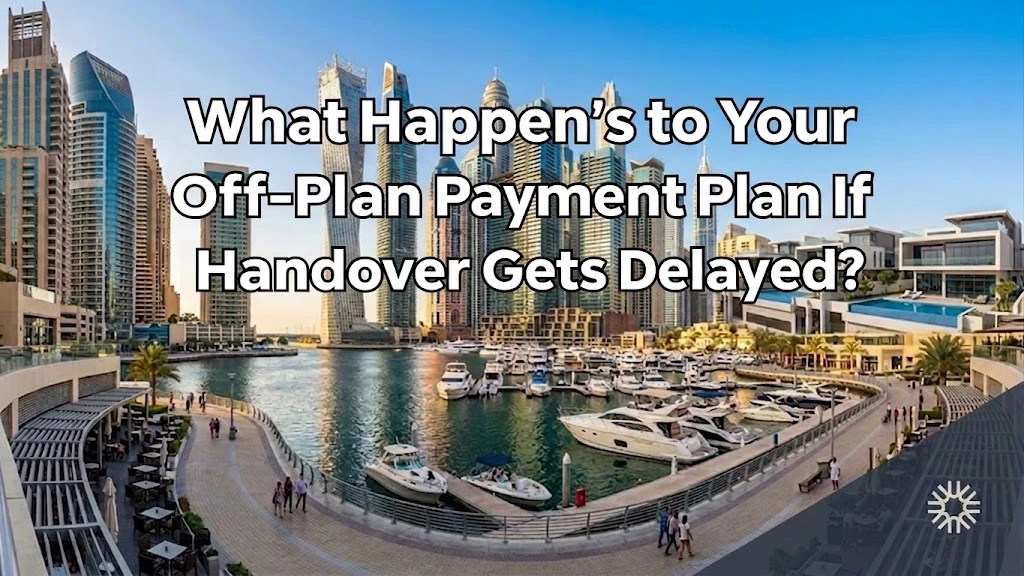
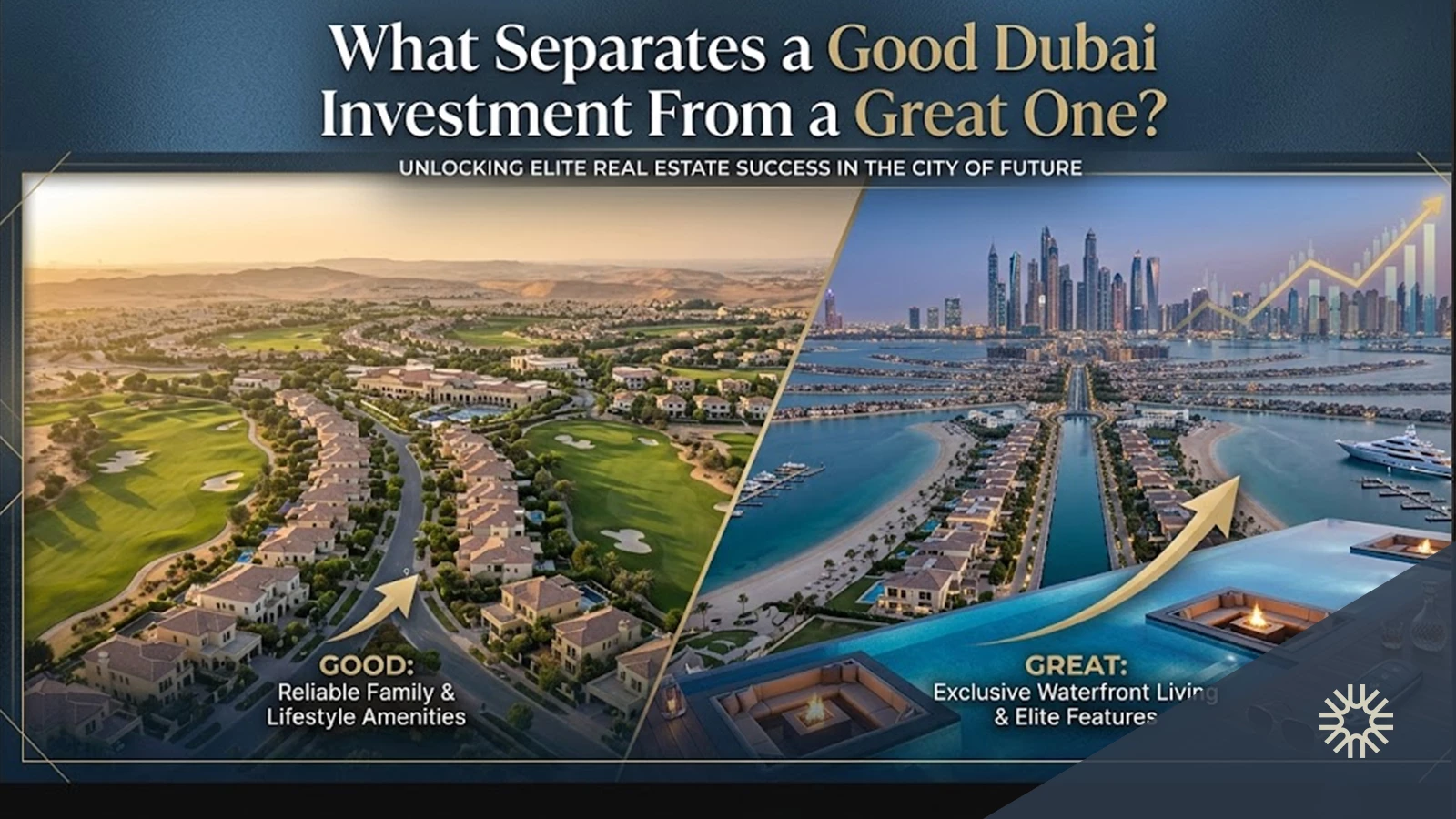
According to Property Finder's 2025 market data, seven communities including Dubai Hills Estate, Dubai Marina, Palm Jumeirah, and Business Bay have featured consistently in the top demand rankings for five consecutive years. The common thread among all of them is not price point. It is completeness. Each of these addresses offers residents a self-contained lifestyle, not just four walls and a yield.
Where Buyers Are Prioritizing Lifestyle Today
The villa market tells this story particularly clearly. Property Finder's data shows that approximately 72% of villa transactions in 2025 were lifestyle-driven purchases, with buyers in the mid-market AED 1,000–1,800 per square foot range choosing space, community, and long-term living over short-term returns.
Communities like Dubai Hills Estate with its 18-hole golf course, integrated school options, hospital access, and premium retail have seen villa resale prices climb significantly as a result. The attraction is not speculative; it is structural. Families are choosing these addresses because leaving them would mean giving up a quality of life that is difficult to replicate elsewhere.
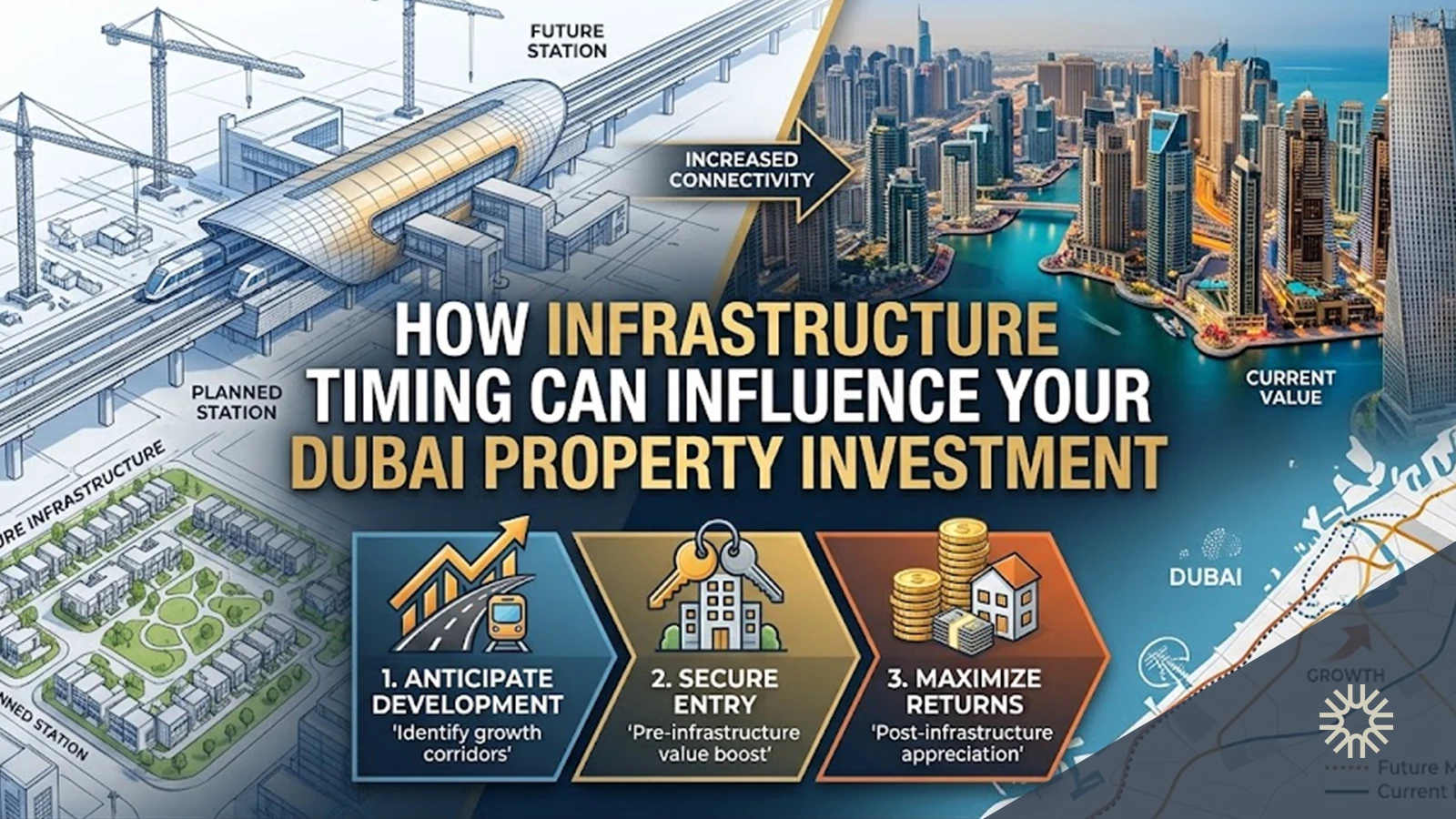
Meanwhile, Property Finder's data also highlights that infrastructure upgrades are directly repricing entire corridors. Near-term road improvements along Hessa Street, the Umm Suqeim–Al Qudra corridor, and Latifa bint Hamdan Street are already generating increased buyer interest in JVC, Al Barsha, Dubai Hills, and Business Bay simply because of improved commute times and accessibility.
Metro connectivity is doing the same. Communities along the upcoming Blue Line are being revalued months before a single train runs, because buyers understand that connectivity is a permanent value multiplier.

The Policy Architecture Supporting This Trend
This is not an accidental market movement. The UAE government has deliberately engineered the conditions that make lifestyle infrastructure a durable property driver.
The Dubai 2040 Urban Master Plan commits to expanding green spaces, developing five integrated urban centers, and aligning housing supply with population growth, projecting a city of 5.8 million residents by 2040. The Dubai Real Estate Sector Strategy 2033 targets a total market value of AED 1 trillion, with affordable housing and integrated community development at its core.
For investors, these frameworks matter because they provide the long-term planning certainty that de-risks lifestyle-led communities. When the government is building metro lines, schools, and wellness corridors into its 20-year urban vision, the communities that sit within that vision carry lower risk and higher long-term resilience.
The Golden Visa programmer reinforces this further. Linking residency eligibility to property ownership has fundamentally changed the buyer calculus. People are not just buying a unit, they are buying a life, a visa, and a future in Dubai. That means community quality, school access, and lifestyle completeness have become direct financial considerations, not soft preferences.
What This Means for Investors
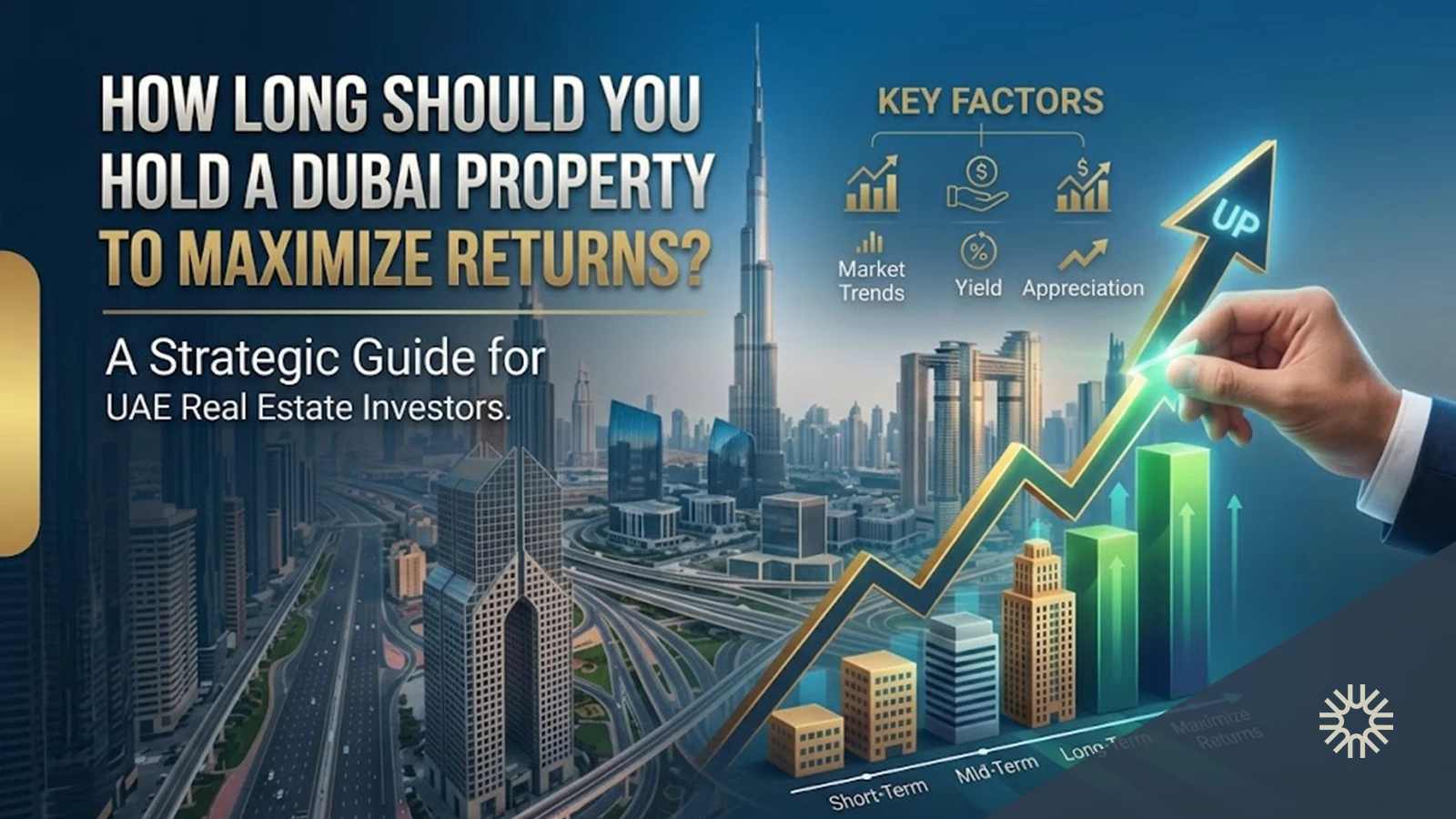
The yield story has not disappeared. Established communities in Dubai continue to deliver rental returns in the 5–9% range. But yield alone no longer determines which communities outperform.
The communities that are holding value and growing it are the ones where residents choose to stay long-term. Lower tenant turnover means lower vacancy periods, which means more consistent income. That correlation between lifestyle quality and investment resilience is the clearest argument for paying attention to infrastructure, not just initial yield figures.
The Unique Properties Perspective
We work with buyers across every category end-users, investors, families relocating from London, Singapore, and Mumbai, and high-net-worth individuals building long-term portfolios. Across all of them, the single most consistent shift we have observed over the past two years is this: people are spending more time asking about the community than about the unit.
That tells us everything we need to know about where Dubai real estate is heading.
If you are evaluating your next move in Dubai whether you are buying your first property, expanding a portfolio, or finding the right address for your family, the right place to start is with a conversation about what kind of life you want to build.