How Long Should You Hold a Dubai Property to Maximize Returns?

Every investor who calls us asks a version of the same question: "When do I sell?" It's the wrong first question. Before you can time an exit, you need to know why you bought in the first place and Dubai's market rewards different holding periods depending on that answer.
At Unique Properties, we've sat across the table from flippers who doubled their money on an off-plan launch and from buy-to-hold investors who are still collecting rent on the same Marina apartment eight years later. Both strategies work. They just work for different people, at different points in the cycle, and this is the part most guides skip with very different numbers behind them.
What the Data Actually Shows Right Now
Dubai's market isn't slowing down, but it is maturing. The Dubai Land Department recorded AED 286.43 billion in property sales across roughly 86,000 transactions in the first half of 2026 alone. Q1 on its own brought in AED 252 billion, up 31% year-on-year in value. Foreign investment climbed to AED 148.35 billion in that same quarter, a 26% jump, with nearly 30,000 buyers purchasing in Dubai for the very first time.
Here's the number that matters most for your holding-period decision: off-plan purchases made up around 72% of residential transactions in early 2026. That single statistic tells you the market is still being driven by people betting on future value, not just current income which is exactly why "how long should I hold" has a different answer depending on whether you bought a launch unit or a ready asset.
We also can't ignore the supply picture. Roughly 120,000 new units are scheduled for handover across Dubai this year, the largest single-year completion volume on record. That's not a red flag, but it is a reason to think in terms of years, not months, when you're underwriting a purchase in a community with a heavy pipeline.
The Three Holding Windows We See Work
0–18 Months: The Off-Plan Flip
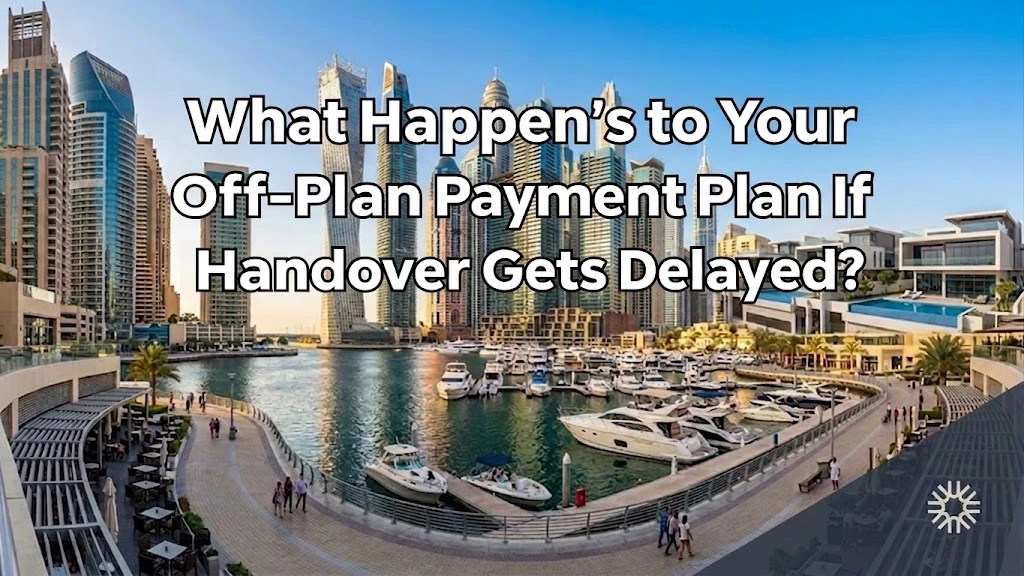
This is the shortest legitimate strategy, and it only works with the right entry point. Buyers who secure a unit early in a launch, on a strong payment plan, from a developer with a track record of delivering on time, can often resell before or shortly after handover and capture the price appreciation that happens during construction. The catch is that this window has gotten more competitive. With over a hundred thousand units landing this year, resale buyers have more choice than they did two years ago, so a generic unit in an oversupplied pocket won't move the way it might have in 2022 or 2023. This window rewards selection, not just timing.

3–5 Years: The Rental Income Window
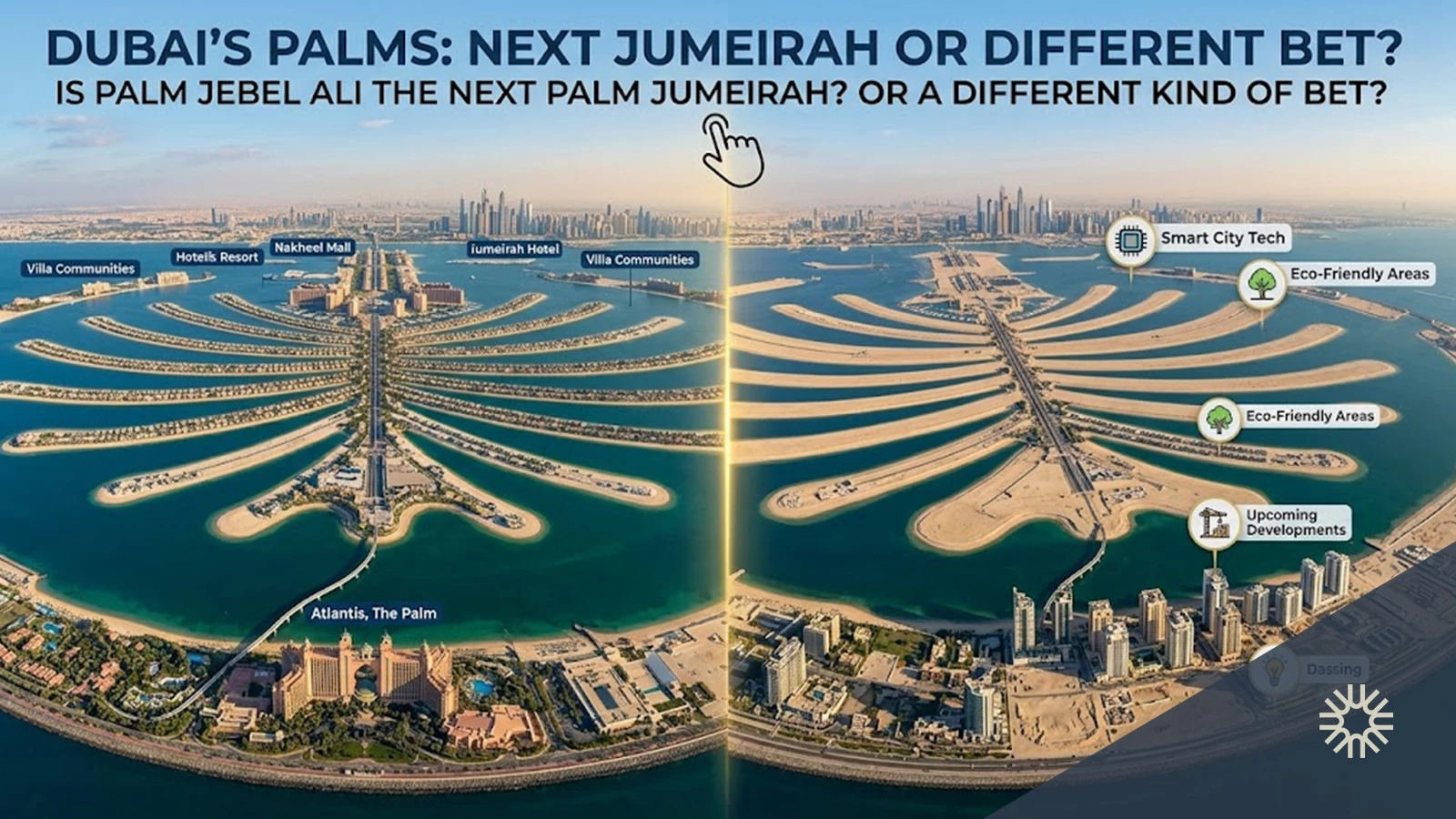
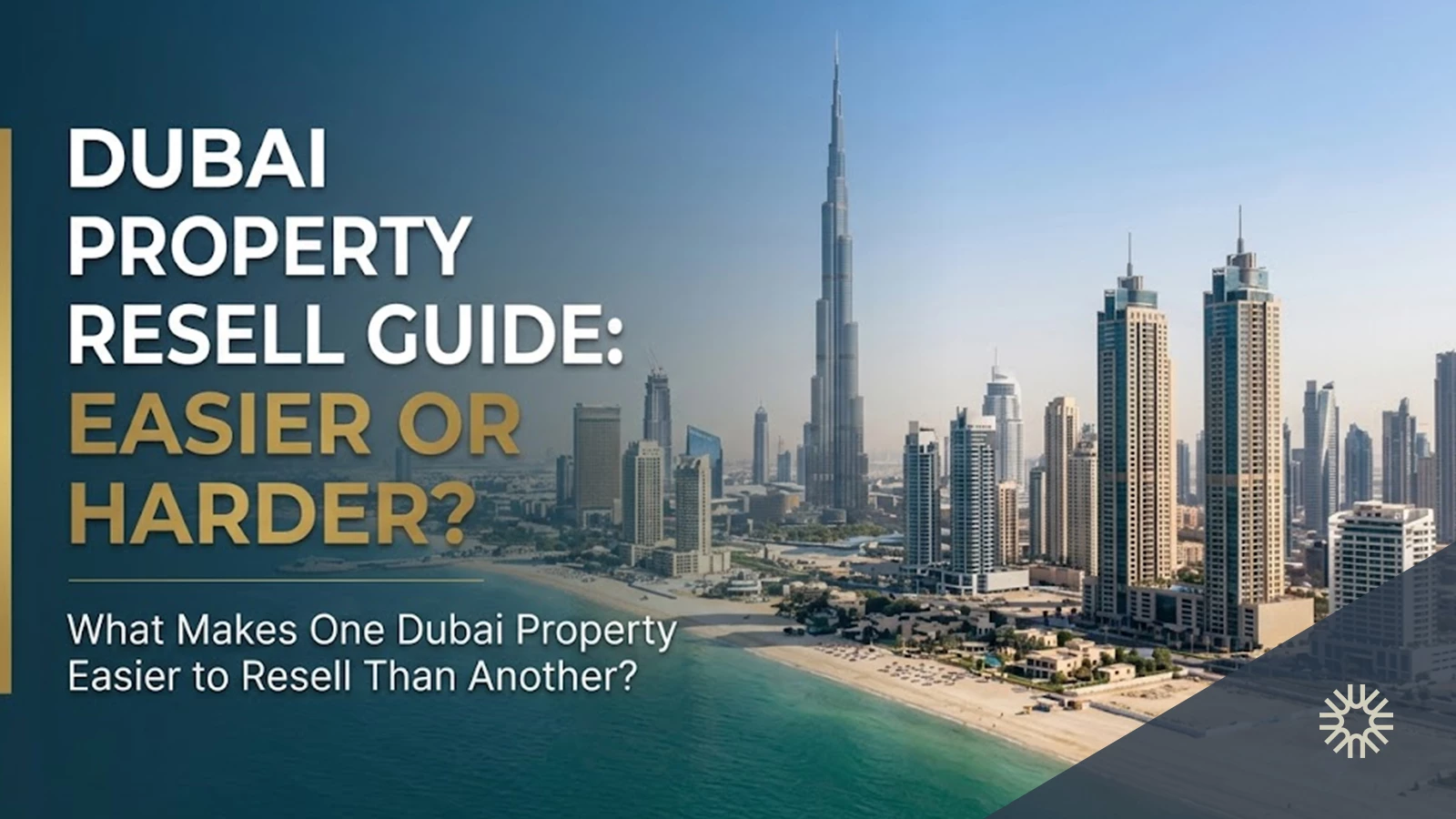
This is where most of our clients land, and the math explains why. Gross rental yields across Dubai currently sit in the 6–8% range, with mid-market apartment communities like JVC pushing toward 8.5–9.5% and premium addresses like Downtown and Palm Jumeirah settling closer to 4–6% gross. A five-year hold lets an investor clear the initial transaction costs, ride out at least one full leasing cycle with rent reviews, and still exit while the asset is considered "fresh" to resale buyers. It's also long enough to absorb short-term market noise, a quiet quarter or a geopolitical scare without forcing a bad exit.
7–10 Years: The Compounding Play
This is the strategy we push people toward when they tell us they don't need the cash soon. Villas, in particular, reward patience. Communities like Arabian Ranches have shown price-per-square-foot growth compounding at roughly 14.6% annually over the 2021–2025 stretch, ahead of Dubai Hills Estate at around 12.1% and Damac Hills near 9.3%. Villas typically yield 1.5 to 3 percentage points less in rent than apartments, but they've been making that up and then some in capital appreciation. Over a decade, an investor collecting steady rental income while the underlying asset compounds in value tends to outperform someone chasing quick flips, simply because they're not paying transaction costs, agency fees, and re-entry premiums every 18 months.
So, What's the Right Answer?
If you want liquidity and don't mind active management, off-plan with a fast exit can work but only in the right project. If you want a balance of income and growth without babysitting the market, three to five years in a liquid, high-demand community is the sweet spot we recommend most often. And if your goal is long-term wealth building, not next year's bank balance, a seven-to-ten-year hold in a villa community or a supply-constrained prime address is where the numbers consistently favor you.
What we tell every client, regardless of budget, is this: the "right" holding period isn't a fixed number. It's a function of your entry price, the community's supply pipeline, and your own need for liquidity. A property bought at the wrong price will underperform no matter how long you hold it. A property bought right, in a community with genuine tenant demand, tends to reward patience.
Let's Find Your Number
Every portfolio is different, and the community you buy into matters just as much as when you sell. Browse our current listings on the Find a Property page to see what fits your timeline and budget, or book a consultation with our team and we'll walk you through the exact yield, appreciation, and exit data for the communities you're considering.